Corned Beef Doneness Temperature
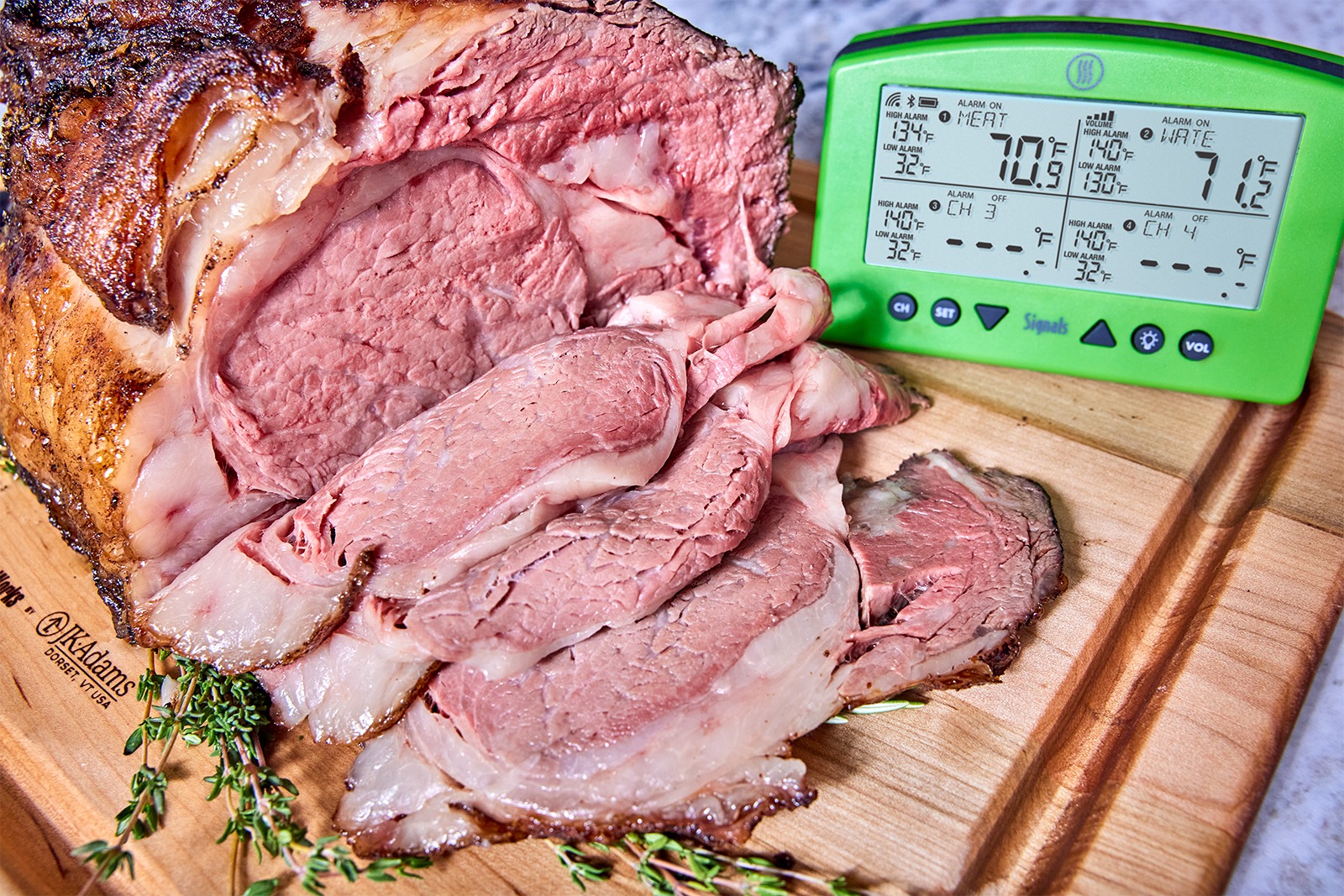
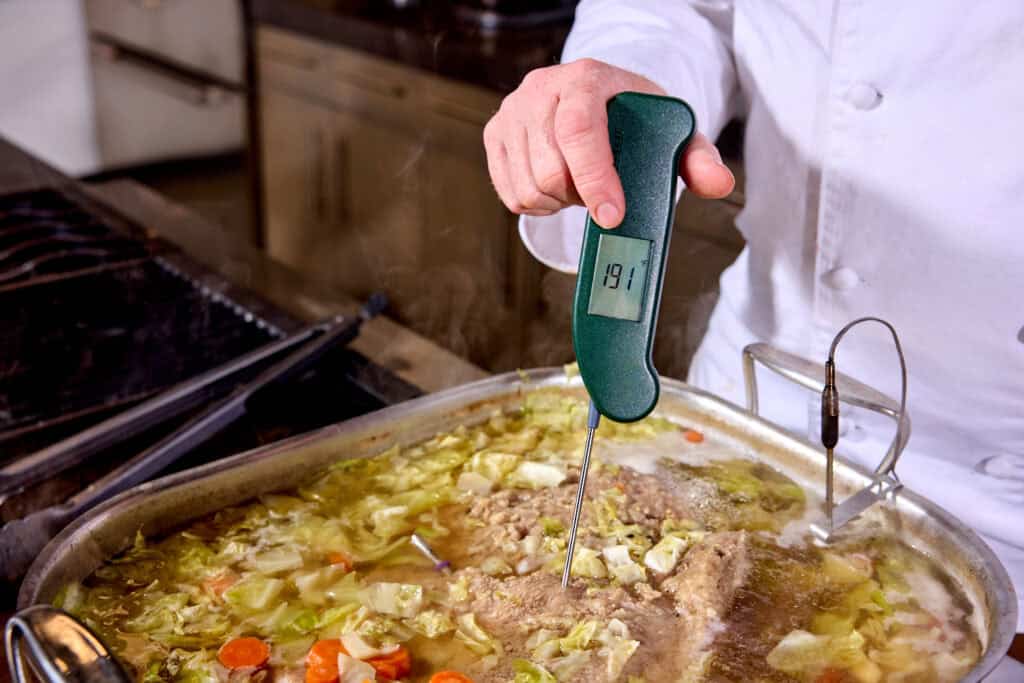
Corned beef needs to be cooked long enough for the tough collagen to break down into soft, delicious gelatin. Slowly bring your corned beef up to 190°F (88°C) in simmering (not boiling) water, and hold it there for about 2 hours. This would give you the optimal tenderness that still holds together. Use RFX MEAT to track the temperature climb and let you know when to start your timer.
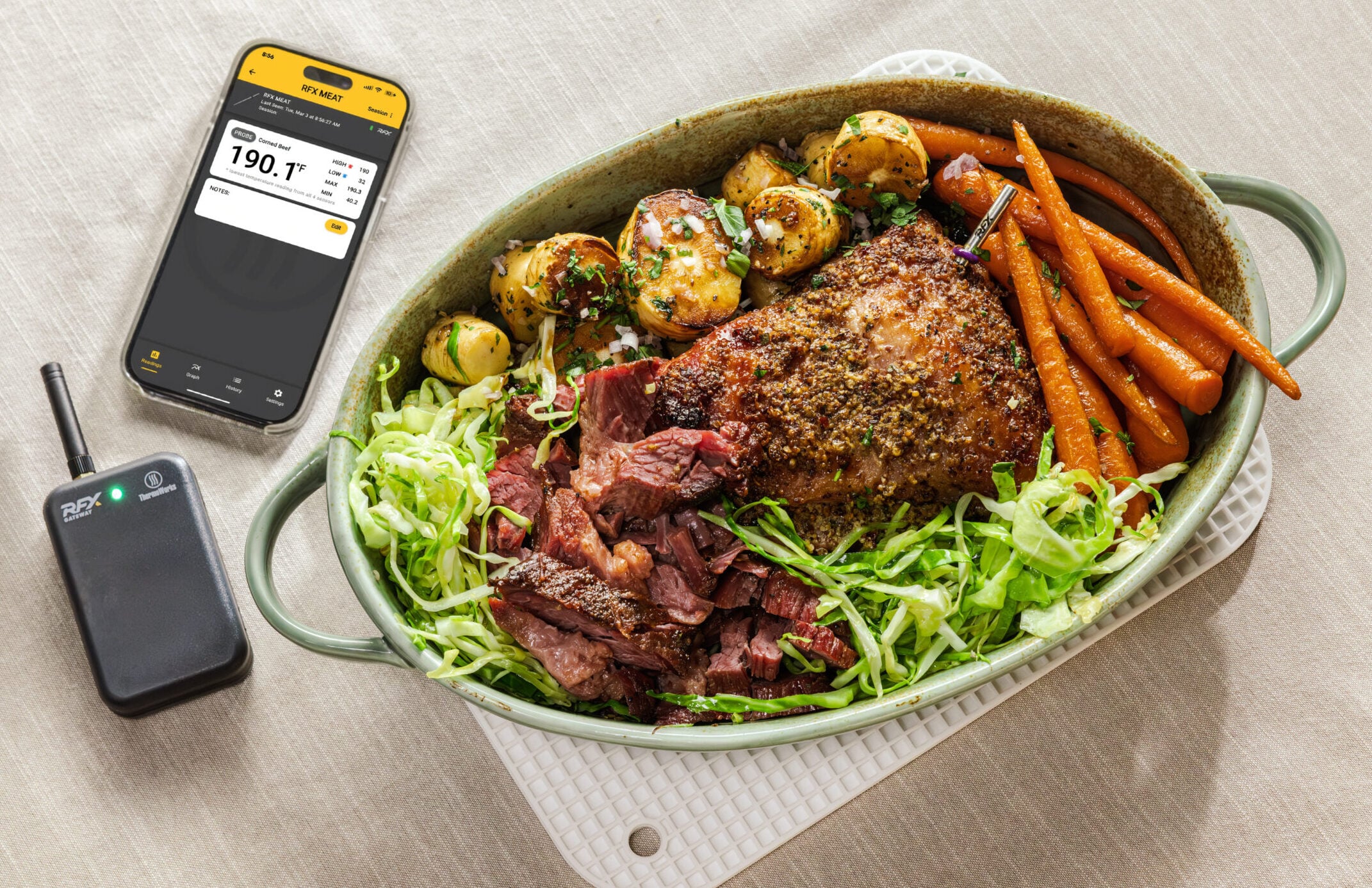
Do this, and your corned beef—homemade or store-bought—will end up sliceable and perfect for eating with cabbage and potatoes or layered into a delicious sandwich!
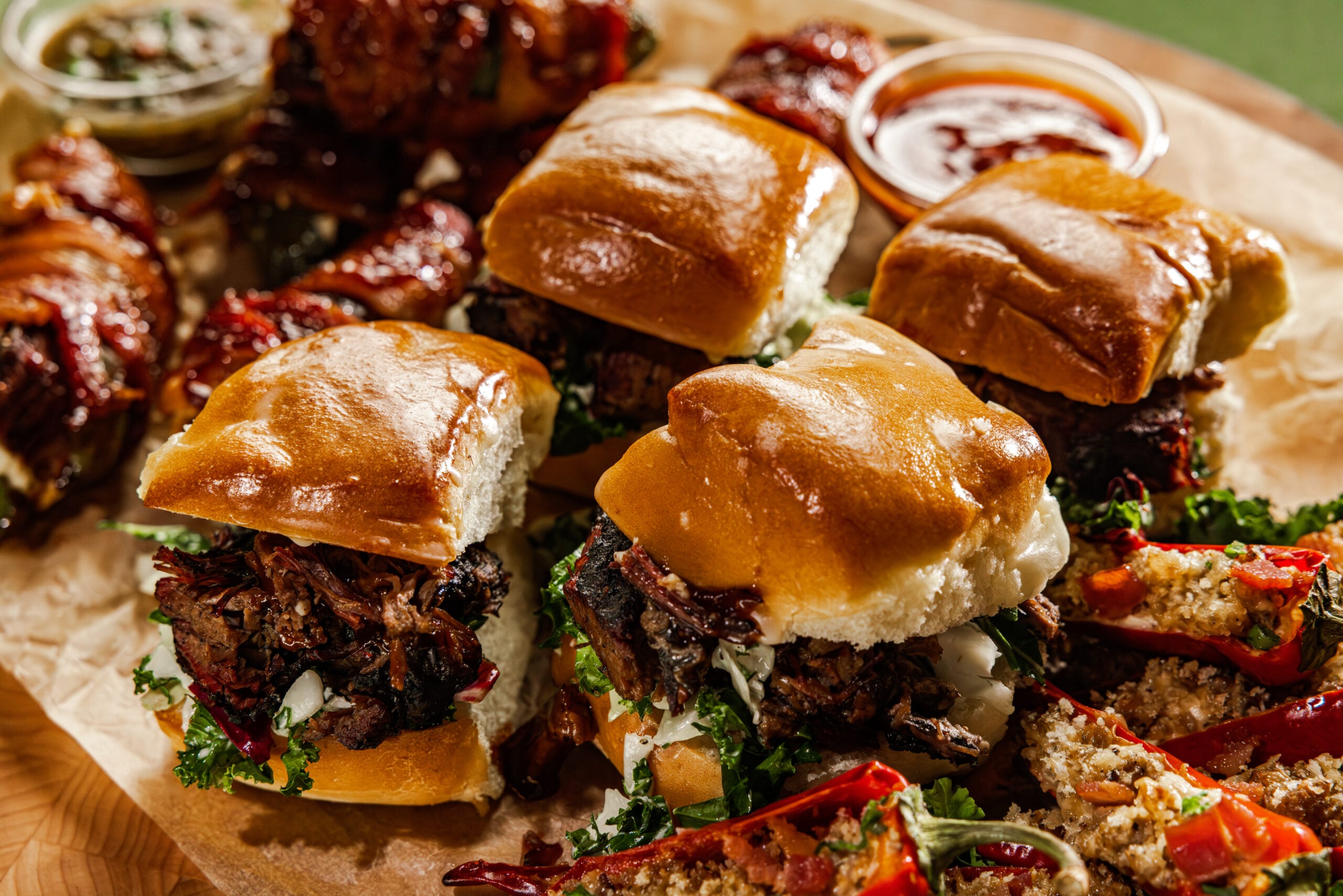
For more on making Corned Beef from scratch, go here:
For delicious bread to make your sandwich, go here:
According to the USDA, corned beef is technically safe to eat once it reaches an internal temperature of 145°F (63°C) followed by a three-minute rest. However, at this temperature, the brisket will be extremely tough and chewy. For a tender, “fork-ready” texture, you must continue cooking until it reaches at least 190°F (88°C).
If your meat is tough, it likely hasn’t reached a high enough internal temperature for long enough. Corned beef is made from brisket, which is packed with tough connective tissue (collagen). Collagen only begins to melt into silky gelatin at temperatures between 160°F and 180°F. If you pull the meat at 145°F, that collagen is still intact, making the meat feel like rubber.
For clean, deli-style slices that don’t crumble, aim for an internal temperature of 190°F to 195°F (88°C–91°C). Once it hits this range, hold it there for about 1–2 hours to ensure the fibers have softened but still retain enough structure to be sliced thinly across the grain.
If you prefer corned beef that shreds easily with a fork, cook it to an internal temperature of 200°F to 205°F (93°C–96°C). At this stage, the collagen has almost entirely broken down. Be careful not to go much higher, or the meat may become overly dry and “mushy.”
Tenderness is a function of both time and temperature. While 190°F is the “sweet spot” for the start of tenderness, collagen breakdown happens slowly. By holding the meat at that temperature for two hours, you allow the thermal energy to work through the thick muscle fibers without overcooking the exterior.
Yes. While it is hard to overcook corned beef in a moist environment (simmering), if you leave it at a high boil for too long, the muscle fibers will eventually tighten and squeeze out all their moisture, leaving you with meat that is both dry and crumbly. Always aim for a gentle simmer (approx. 190°F–200°F water temp) rather than a rolling boil.
Don’t let the color fool you! Corned beef is cured with sodium nitrite, which fixes the pigment in the meat. This means the meat will remain pink or even bright red even when it is well-done and safely cooked to 190°F+. Always rely on a Thermapen ONE for accuracy rather than looking at the color.