

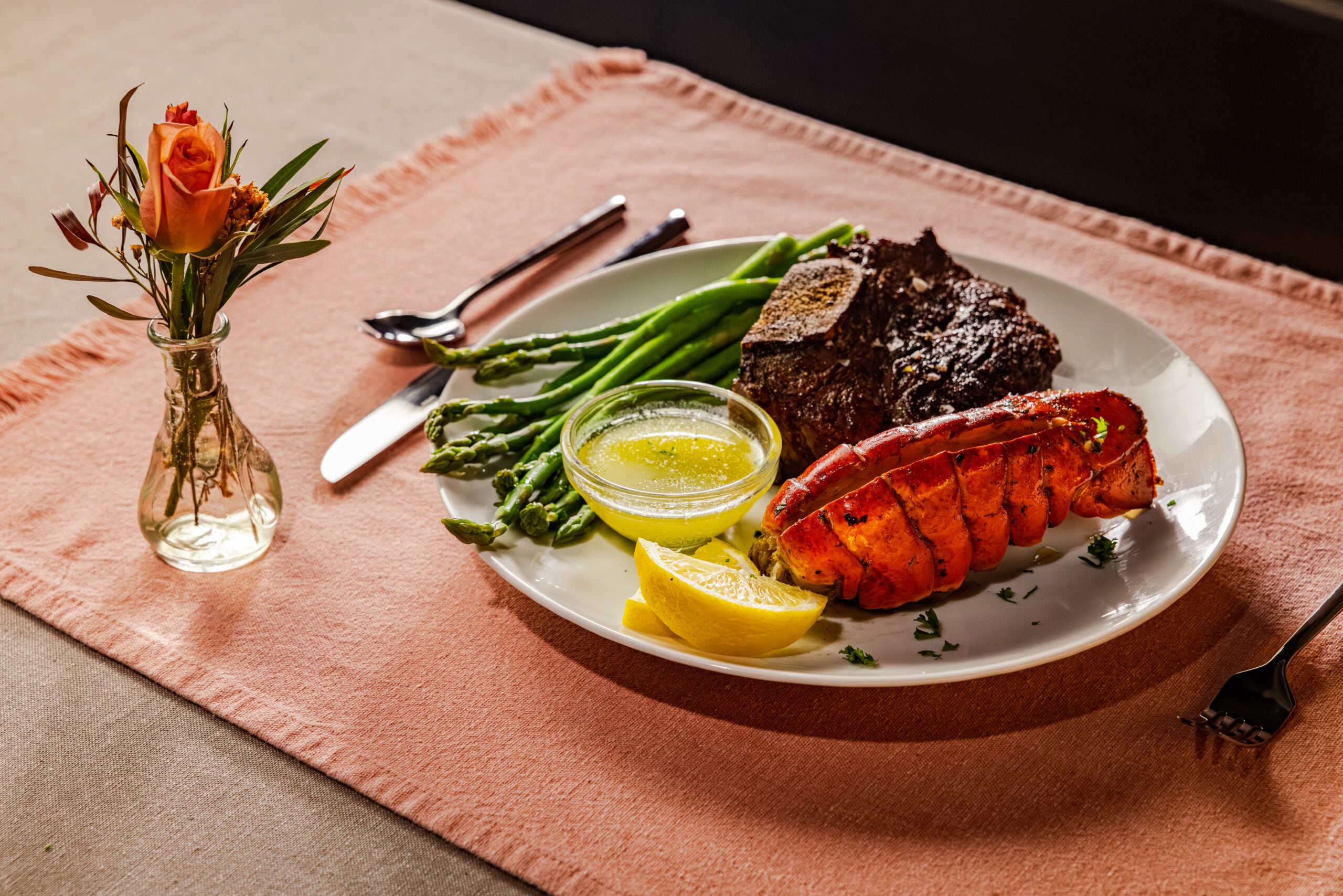
Grilled Surf and Turf with Lobster Tails + Steak | Perfect Temps with Thermapen ONE & RFX Wireless
Surf and turf is the ultimate special-occasion meal. Juicy steak. Tender, buttery lobster tails. When it’s done right, it feels luxurious without being complicated. When it’s done wrong, it’s an expensive disappointment.
The secret to flawless grilled surf and turf is not timing, guesswork, or flipping every 30 seconds. It’s temperature.
In this guide, we’ll show you exactly how to grill steak and lobster tails to perfection using precise internal temperatures, monitored with RFX™ Wireless and verified with Thermapen® ONE for the perfect finish. Whether you’re cooking for a celebration or just leveling up your backyard grill game, this method delivers repeatable, restaurant-quality results.

What Is Surf and Turf?
Surf and turf combines premium beef like filet mignon, ribeye, or strip steak with a classic seafood element, most commonly lobster tails. The result is a dramatic presentation with contrasting textures and flavors that flow seamlessly from grill to table.
There are many ways to cook a lobster; for a classic presentation, you can’t beat broiling. We had the perfect weather, so we went with the grill this time. The best way to broil a lobster is a two-step process, much like the reverse sear on a steak. Tossing a whole lobster tail under the broiler will yield a finished dish that may be properly cooked in the center, but will most likely be chewy/rubbery on top.
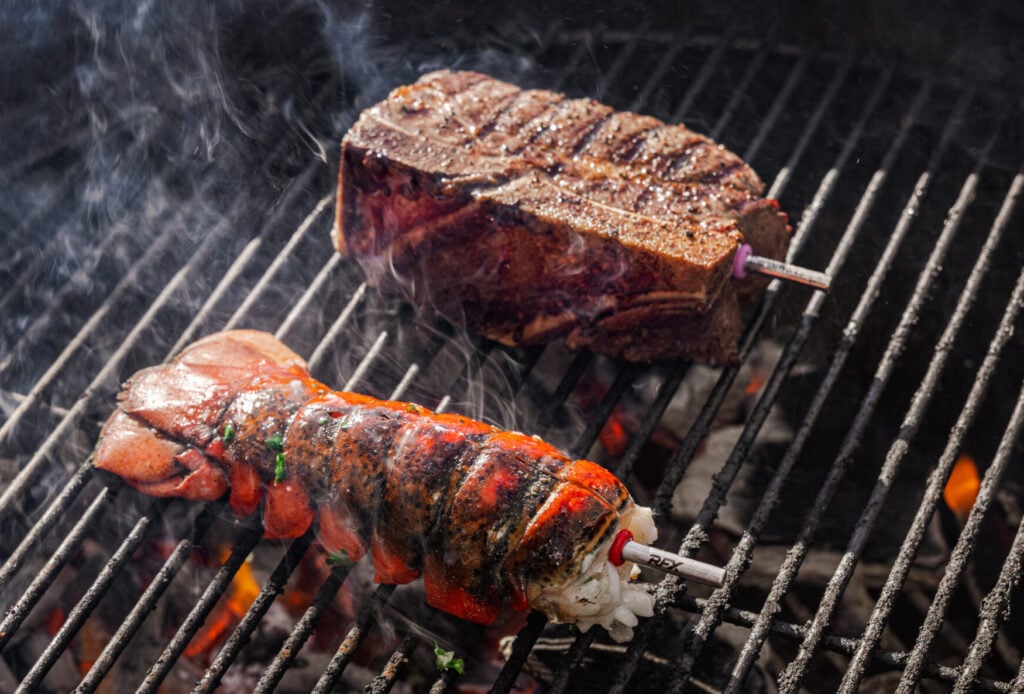
Why Temperature Matters for Steak and Lobster
Lobster turns rubbery fast. Steak can go from perfect to overdone in minutes. Cooking by internal temperature ensures both proteins come off the grill exactly when they should.
Using RFX™ Wireless, you can monitor internal temperatures continuously while the food cooks, and Thermapen® ONE lets you verify doneness instantly before pulling everything off the grill.
How to Prepare Lobster Tails for Grilling
- Thaw lobster tails completely if frozen.
- Using kitchen shears, cut straight down the top of the shell.
- Gently pull the meat up and rest it on top of the shell (often called “piggybacking”).
- Brush the meat with melted butter and season lightly with salt and pepper.
- Insert RFX Wireless and set your high alarm to 145°F

This preparation exposes the meat to even cooking and makes temperature monitoring more accurate.
- Pull the shell open on top, then run your fingers between the shell and the meat, even along the bottom side. Don’t loosen the fin meat.
- Rinse the vein out of the top of the lobster meat.
- Lift the meat out of the shell, pinch the shell back together, and rest the meat on top of it.
Baste the lobster with butter, lemon, and herbs, then put it on the grill.
Grilled Lobster Tail Temperature Guide
Insert an RFX™ Wireless probe into the thickest part of the lobster meat, avoiding the shell.
- Target internal temperature: 135–140°F
- Pull immediately once the lobster reaches the temperature
Lobster continues to firm up as it rests, so don’t wait for it to “look done.” Temperature is the only reliable indicator.

The Turf: perfect steak
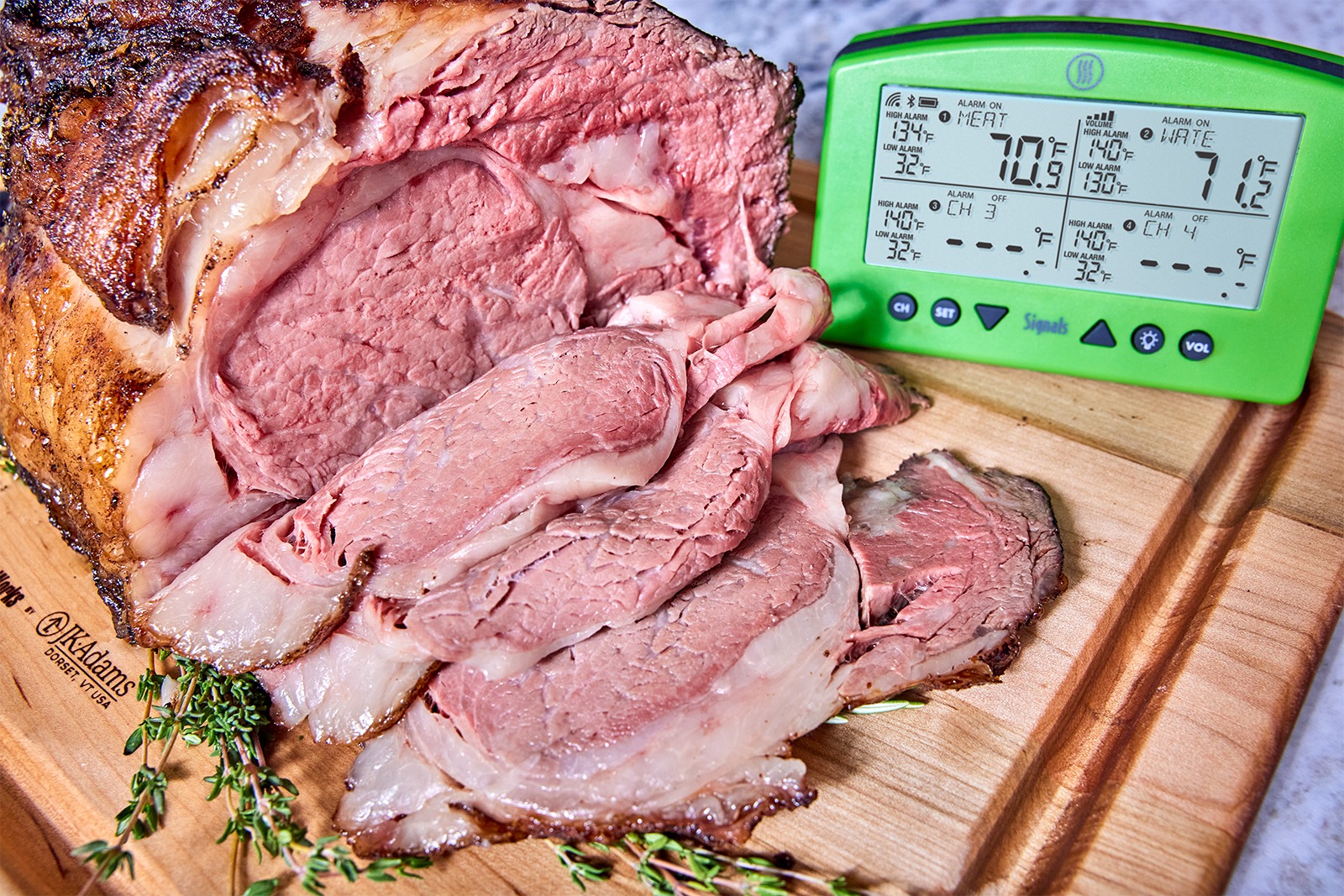
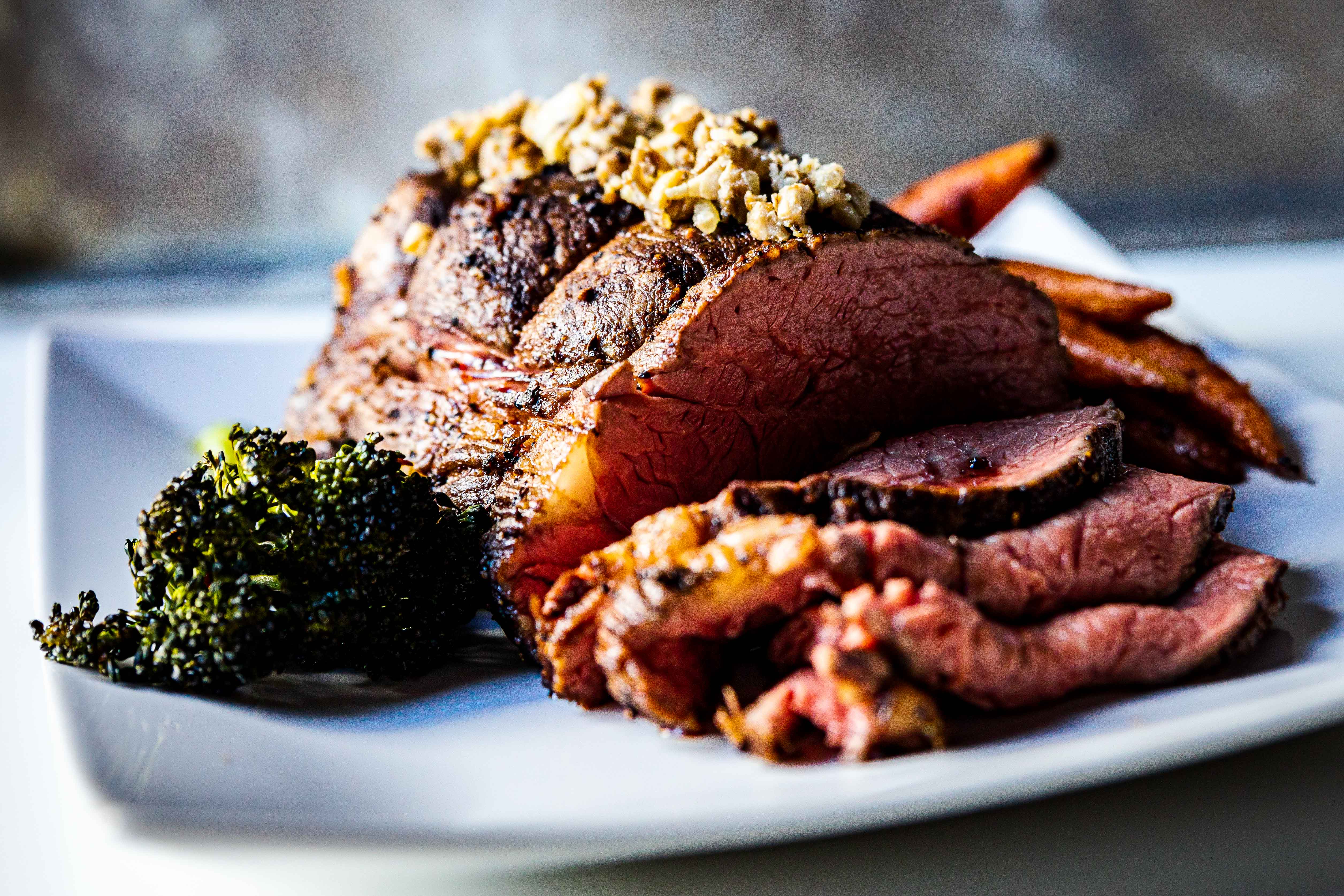
We’ve talked a lot about steak on this blog. And there’s a lot of material you can go back through and find, but no matter the cut, it is imperative that you get the temperatures right. A medium rare steak has a finished temperature of 130–135°F (53–57°C), so your pull temps will be below the target.
Rather than rehash the whole thing here, I recommend looking at our Steak Temps post as well as our more general Steak Guide. The thermal principles presented in those articles apply across the whole range of steaks. The reverse sear is my personal favorite, both for its efficiency and the tasty results I get from it. If you only have one oven, it might be a fun time to fire up the grill to cook the steaks while the lobster tails bake.
Steak Temperature Guide for Surf and Turf
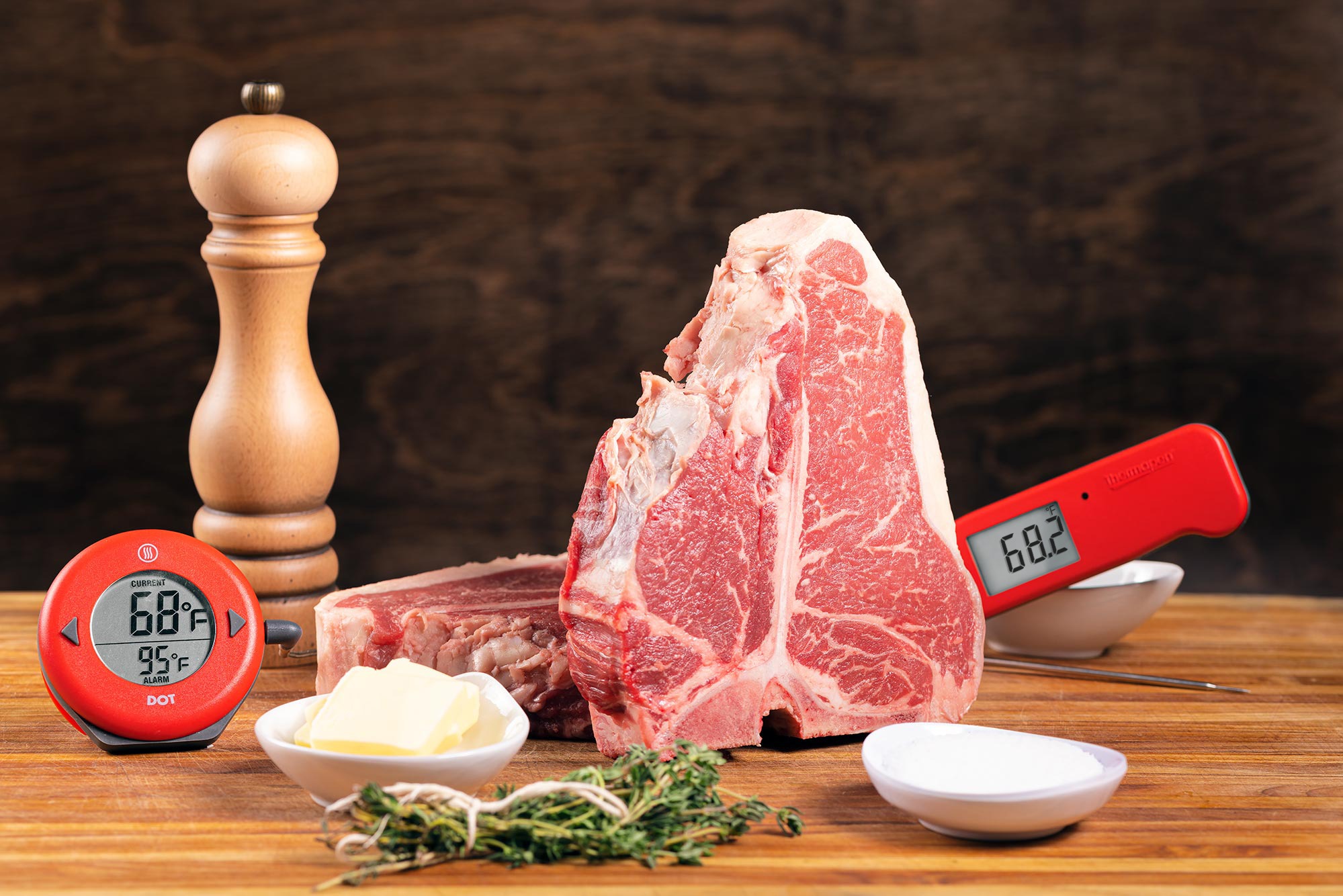
Season steaks generously with salt and pepper just before grilling. Grill over direct heat to develop a crust, then move to indirect heat to finish.
Recommended Steak Pull Temperatures
- Rare: 120–125°F
- Medium-rare: 130–135°F
- Medium: 140–145°F
Insert an RFX™ Wireless Meat probe into the center of the steak or verify doneness with Thermapen® ONE before removing from the grill. Rest steaks for 5–10 minutes before slicing to allow juices to redistribute.
Timing Steak and Lobster Together
Lobster tails cook faster than most steaks, so start with the steaks first. When the steak is about 10–15°F from its target temperature, add the lobster tails to the grill.
Using wireless monitoring makes this easy. You don’t need to guess or juggle timers. You simply pull each protein when it reaches its ideal temperature.

Ingredients
- 2 large lobster tails, thawed under cold running water
- 1/2 C melted unsalted butter
- 1 tsp fresh minced garlic
- 1 tsp minced fresh parsley
- 1/4 tsp kosher salt
- 1/4 tsp black pepper
- 1 tsp dijon mustard
- Lemon wedges for serving
Directions
- Preheat your oven to 350°F (177°C). Preheat your grill to medium-high heat and set up a two-zone fire with direct and indirect heat.
- Prepare the lobster tails by piggybacking the meat over the shell.
- In a small bowl, whisk together the melted butter, garlic, parsley, salt, pepper, and mustard.
- Brush the piggybacked lobster tails generously with the butter mixture, reserving some for finishing.
- Insert an RFX™ Wireless probe into the thickest part of the lobster meat. Place the lobster tails on the grill shell-side down over indirect heat and set a high-temperature alert for 130°F (54°C).
- When the alert sounds, brush the lobster meat with more butter and move the tails briefly over direct heat, meat-side down, to develop light char. Grill for 1–2 minutes, watching closely.
- Use Thermapen® ONE to verify the internal temperature. Larger lobster tails should be pulled around 135°F (57°C) to account for carryover cooking, while smaller tails can be pulled closer to 140°F (60°C).
- Remove the lobster from the grill, let it rest briefly, and serve it with a perfectly grilled filet mignon.
An indulgent meal like surf and turf is a great way to get value for your money. Yes, it’s still expensive, but nowhere near as expensive as going to a quality steakhouse, and, in point of fact, once you learn how to make it right, it will probably be better at home. Ring in the new year with a sumptuous feast of Surf and Turf, with perfection provided by ThermoWorks.
Surf and Turf FAQ
Surf and turf is a classic meal that pairs seafood and beef, most commonly lobster tails and steak. The contrast between rich steak and sweet, tender lobster makes it a popular choice for special occasions and backyard grilling alike.
The best way to grill lobster tails without overcooking is to cook them by internal temperature, not time. Insert a probe into the thickest part of the lobster meat and pull it from the grill at 135–140°F. Cooking beyond this range causes lobster to become tough and rubbery.
Grilled lobster tails are done when the internal temperature reaches 135–140°F. This range keeps the meat tender and juicy while ensuring it’s fully cooked.
For surf and turf, medium-rare steak (130–135°F) is the most popular choice because it pairs well with lobster’s delicate texture. Medium steak finishes at 140–145°F, while rare steak is pulled around 120–125°F.
Start lobster tails shell-side down over direct heat to protect the meat. Finish briefly meat-side down if needed to add light char, but always rely on internal temperature rather than appearance.
Grilling time varies based on size and heat level, which is why time alone isn’t reliable. Most lobster tails take 6–10 minutes total, but they should always be removed based on temperature, not minutes.
Yes. The easiest way to cook steak and lobster together is to start the steak first, then add lobster tails when the steak is 10–15°F below its target temperature. Monitoring both proteins by temperature allows everything to finish at the same time.
Butterflying (or “piggybacking”) lobster tails is recommended for grilling. It exposes the meat to even heat, improves presentation, and makes it easier to monitor internal temperature accurately.
Both steak and lobster can overcook quickly. Grill temperatures vary, protein sizes differ, and visual cues are unreliable. Cooking to precise internal temperatures is the only way to achieve consistent, repeatable results with surf and turf.
Got this blog link in my email a few days ago. I decided to give it a try for New years eve and I’m so glad I did. It was a big hit with the family. This was my first time cooking lobster and trying the reverse sear on a streak. I usually sear and finish in the oven. I used my Smoke to monitor the temps and it worked great. I might look for a smaller probe before trying the lobster again. I had a hard time keeping it stuck in the meat (I have the angled probe).
Thanks again for the recipe suggestions and great tools.
Jeremy,
I’m glad it was a success! Happy cooking!
I have a few questions. So why do you put the lobster under the broiler? To give it a crust? Couldnt you finish it in the 350* oven? And whats the final target temp?
And for the filet mignon, what oven temp would you recommend to put it in before you sear it to get a medium rare?
Thank you i do appreciate all the sweet information
Nate,
Yes, you broil it to get the top crusty and toasty. You could skip that step and go for your final finish temp of 140°F in the 350°F oven (pulling a few degrees, short of 140°F, obviously).
For the filet, the best temp is about 250°F, but if I’m in a rush I’ll push that to 275°F. The steaks may not be as perfect, but will still be amazing.