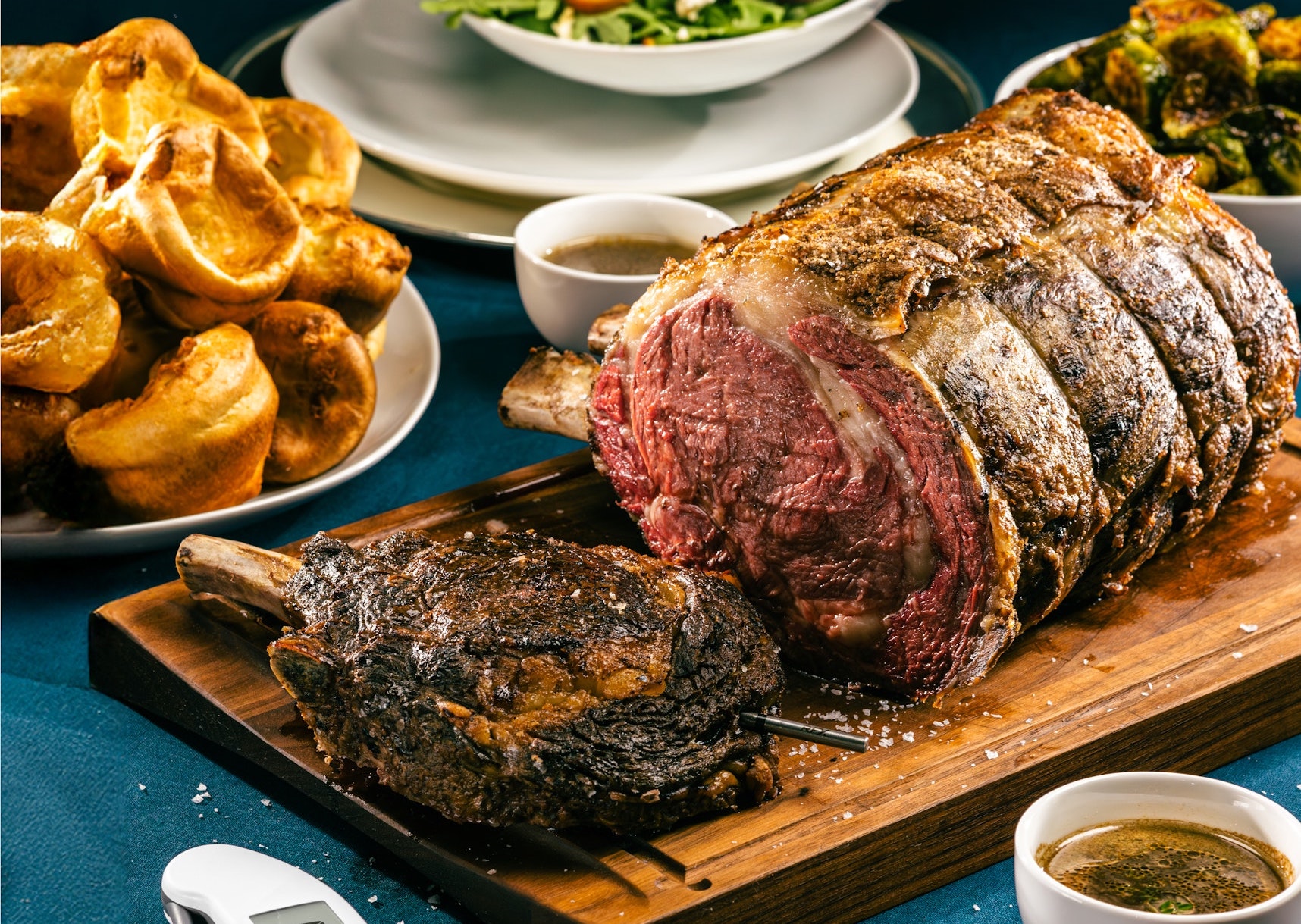
Save Money, Buy Beef! (Then Protect It)
If you’re like us, you love a good piece of beef. We love a good piece of beef. But beef prices right now are high, and there’s no end in sight for the increases. So what’s a meat lover to do? Sell plasma? No, the answer is to buy your beef in bulk—a half a cow at a time. Buying beef in bulk has some up-front cost, but once you shell that out, you’re stocked for a long haul. Here, we’ll talk about the advantages of buying beef in bulk (by the “side”) and tips for protecting your investment. Let’s get meaty!
Get the tools for protecting your beef here:

The advantages of buying a half cow
When we talk about buying from the producer, we mean buying from a local farmer or rancher. Many have USDA-inspected slaughterhouses on site, others send their beef for processing to an inspected slaughterhouse for processing and packaging. Sometimes you can buy from the slaughterhouse, but in general, you’re looking for someone with a cattle-raising operation. For shorthand, we’ll call that person a rancher.
Buying a half cow from a rancher means you’re getting a lot of meat. That meat takes up a good deal of space, so you need to be sure it’s worth the freezer real estate and cost to get one. But be assured, there are plenty of advantages.
Support Local Beef Growers
First, let’s look at your own local economy. Rather than being dependent upon supply chains for the direct purchase of your beef, you can rely on and therefore support local beef growers. These people in or near your own community love to raise and sell great meat to the people closest to them, and your patronage helps immensely.
Local beef growers can sell to you for a price that benefits both parties: beef for a lower cost than from the store, and higher profits than selling to the aggregators means that cutting out the middleman is a win/win. Supporting a local beef grower also keeps money in your community, improving your local economy over time.
Better Beef
You can find ranchers who raise beef in accordance with your priorities. Grass-fed? Grain-fed? Organic? Just super tasty? You got it. And the meat is grown with care and consideration for the end product, not just the profits derived from it.
But beyond that, you have some degree of control over how the beef itself is cut and packaged. Most producers offer a wide range of cuts and styles to choose from. If you (gasp) don’t care about the brisket, it’ll end up in the grind, but if you want it split into four chunks for small roasts, you may be able to get that. Not every packager may do that, but there is a lot of versatility to be had. Talk to your producer and see what customizations are available. Chances are, they can do just about anything you want.
Which grocery store do you know that will do that?
Lower Price
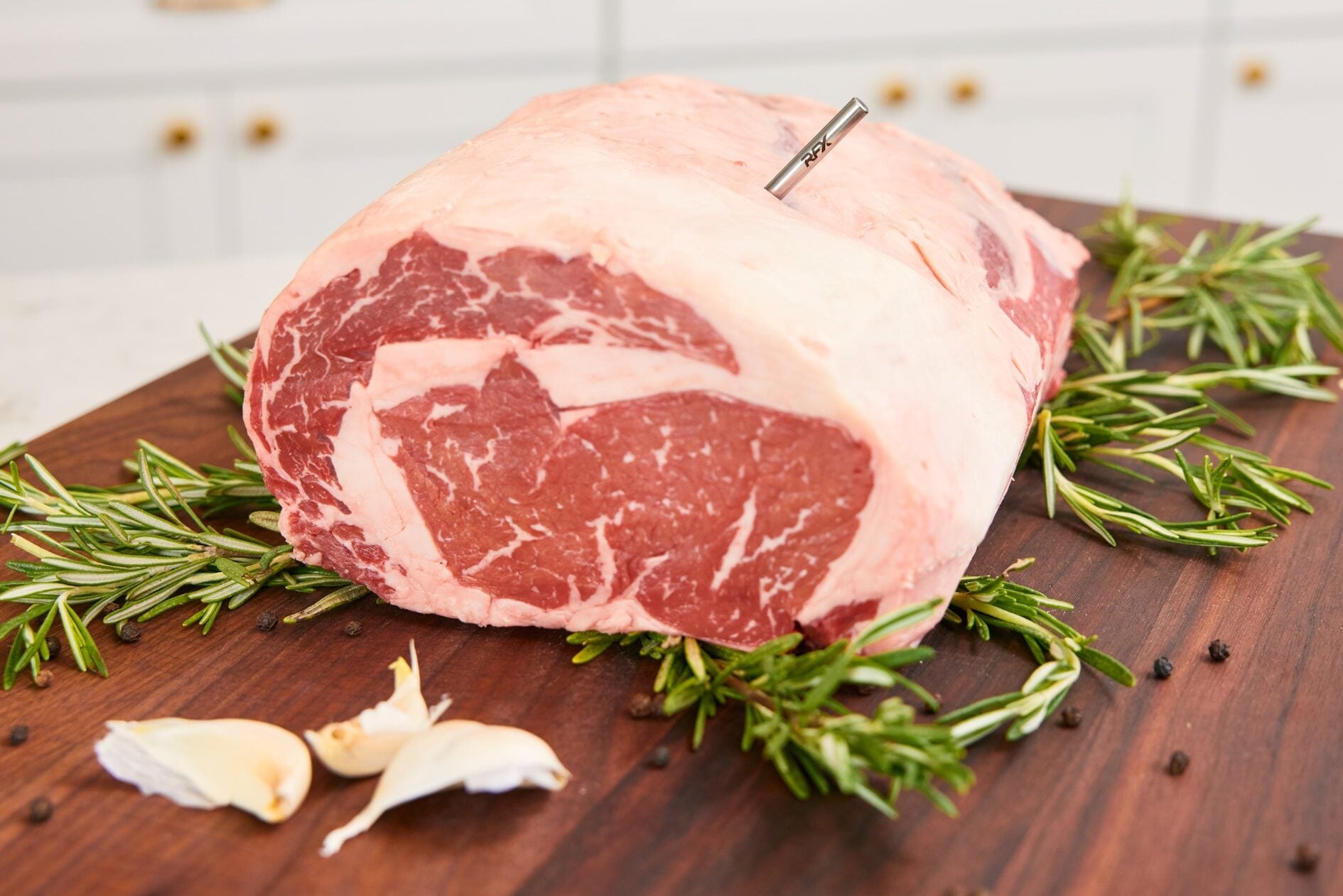
Ah, we come now, at last, to the crux of the issue. You can save some serious cash by buying your beef in bulk. By cutting out the middlemen, you get great beef at a better per-pound rate. Prices will vary from rancher to rancher and by region, but current research shows a half a cow from a grower within easy driving distance of ThermoWorks HQ selling a side for $6.50/lb. (And they’ll knock another $0.25/lb off if you buy a whole cow!)
Compare that to the average price for ground beef in the U.S. in December of 2025: $6.68/lb.1 And remember, the price for the half cow isn’t just for ground beef. It’s the steaks, the shortribs, the brisket, the roasts. At that price, a ribeye dinner at home starts to look not only tasty, but downright fiscally responsible.

The Danger of Bulk Beef: Power Outages, and How to Protect Your Investment
You did it. You found a rancher and you now have a chest freezer full of excellently-priced, high-quality beef. Yes, you paid a pretty lump sum for it, even if the per-pound was low. Now, what if, on a sweltering day in mid-July, your chest freezer quietly gives out? You might not notice for a whole day. A week, even. And when you do notice, it isn’t going to be pretty.
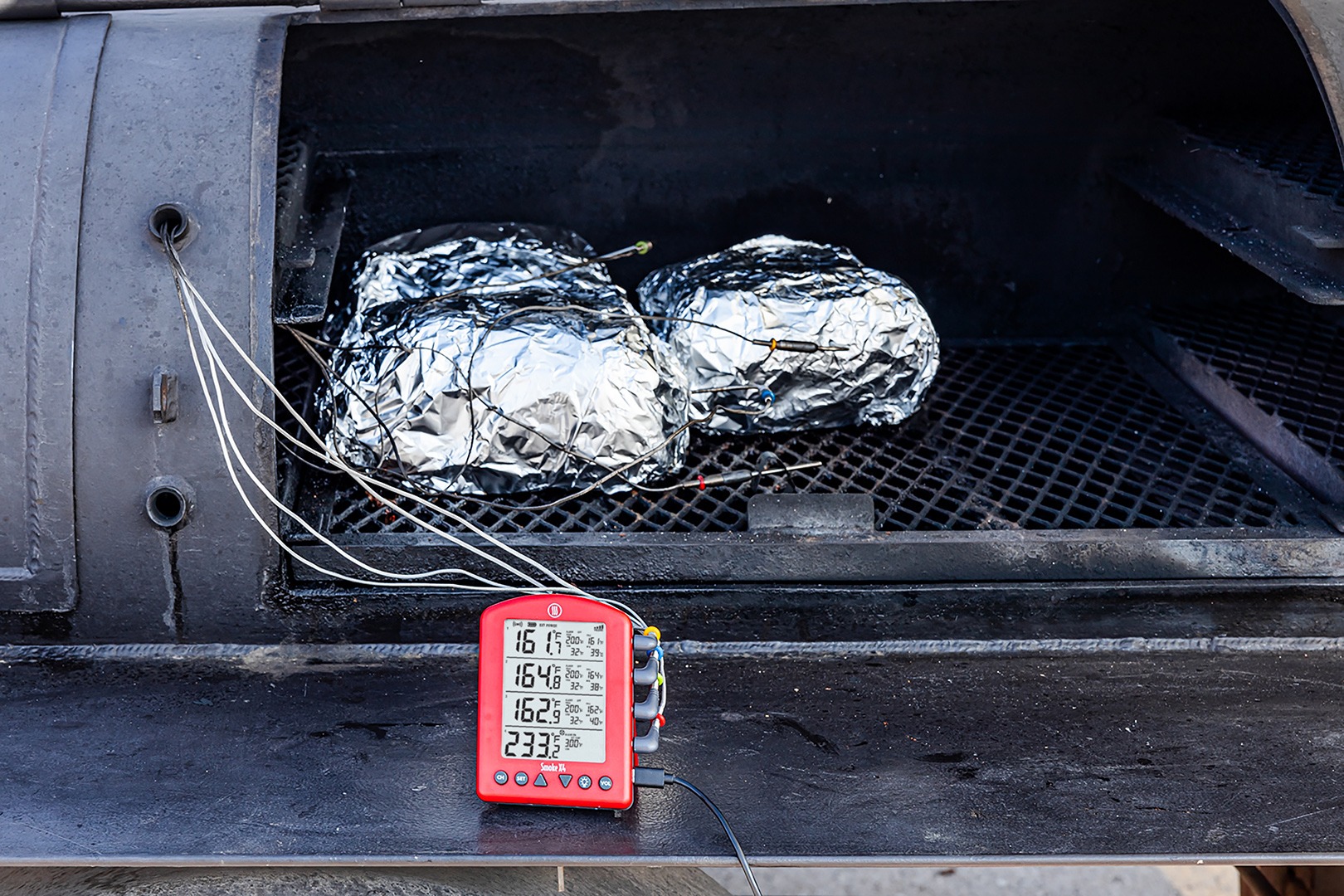
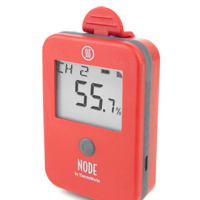
Freezer monitoring is an essential way to protect your investment. And the best fridge/freezer monitoring thermometer you can buy is NODE. NODE connects to your WiFi and sends updates at time intervals that you choose, mapping all of its data in a convenient graph in the ThermoWorks App. Set an alarm temperature for the freezer, and you’ll get a push notification if the temperature goes too high. You get advance warning before your meat thaws completely, so you can repair the freezer or start moving the meat somewhere safe. Imagine if you didn’t know.
This kind of monitoring is what restaurants need, because a walk-in fridge of food going bad could mean going out of business. At your house, it can mean half a cow going bad, as well as that elk you bagged and all your freezer jam. That’s not something you want to lose.

Plus, if you get the version with two probes, you can monitor a fridge next to the freezer with the same device.
Protect Your Investment Further by Not Overcooking
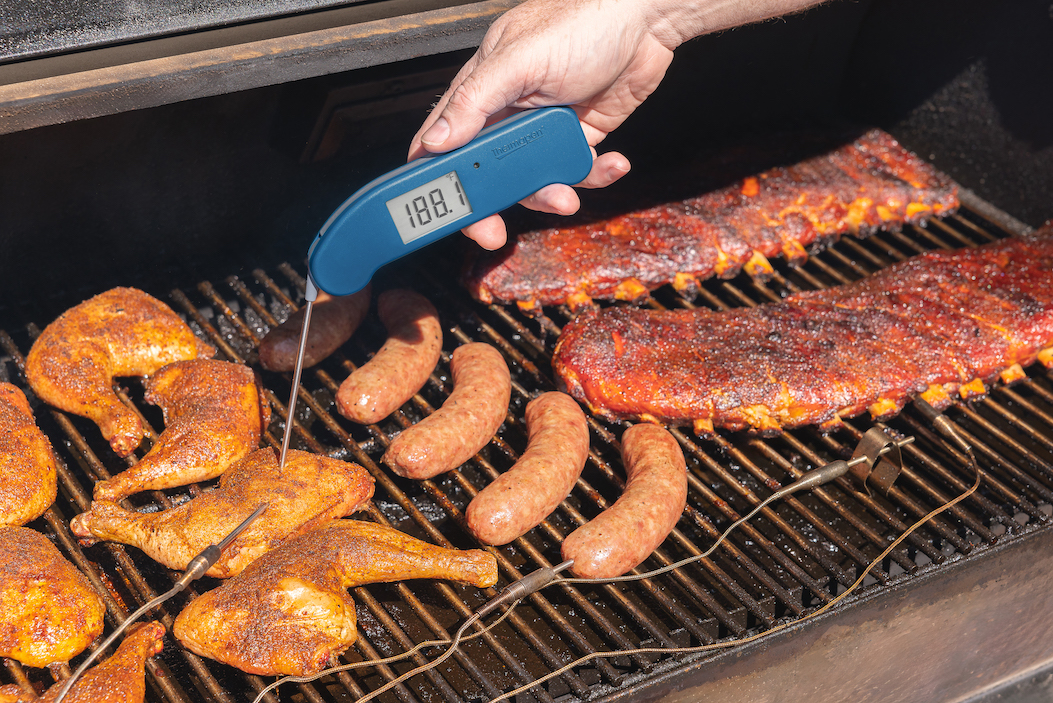
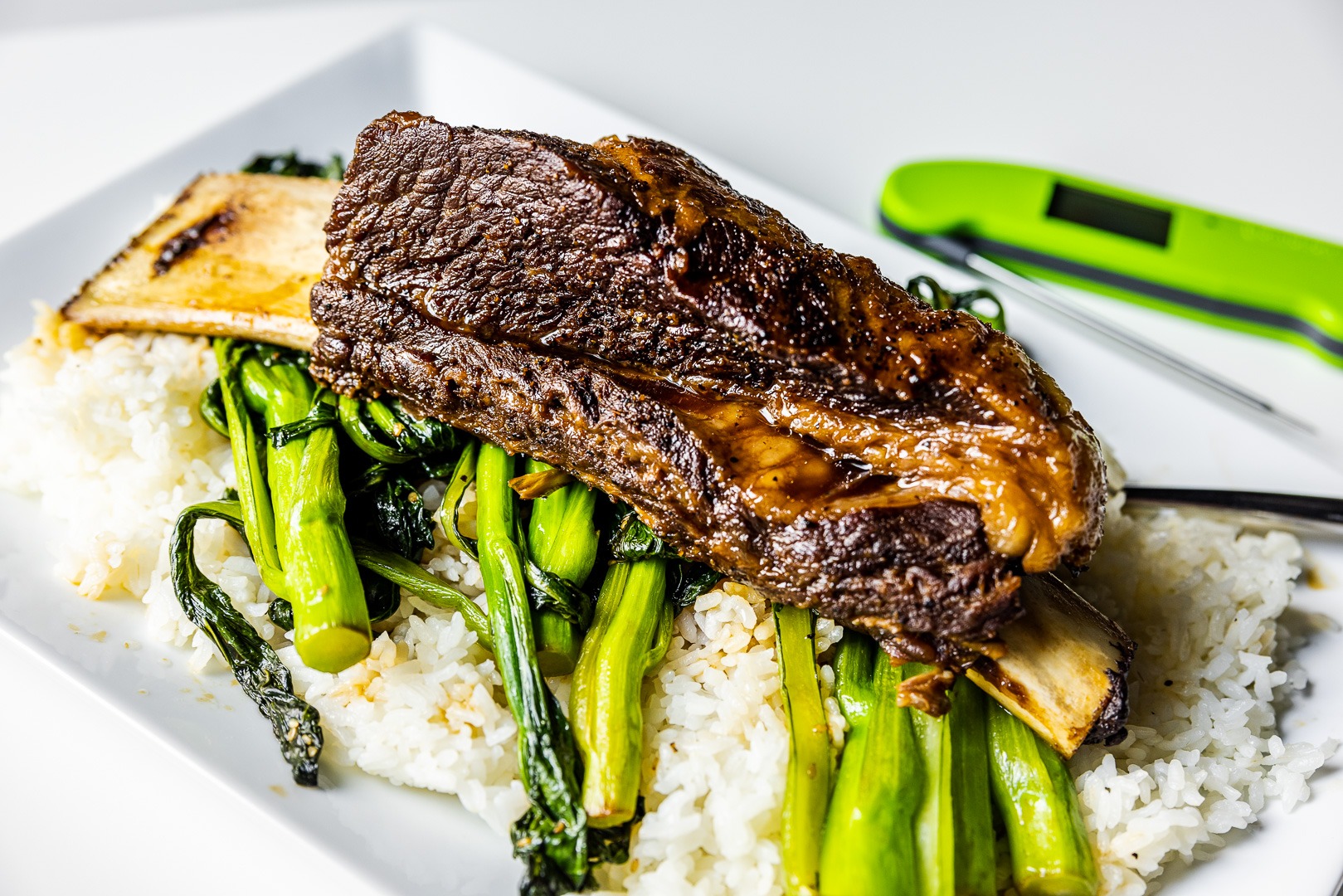
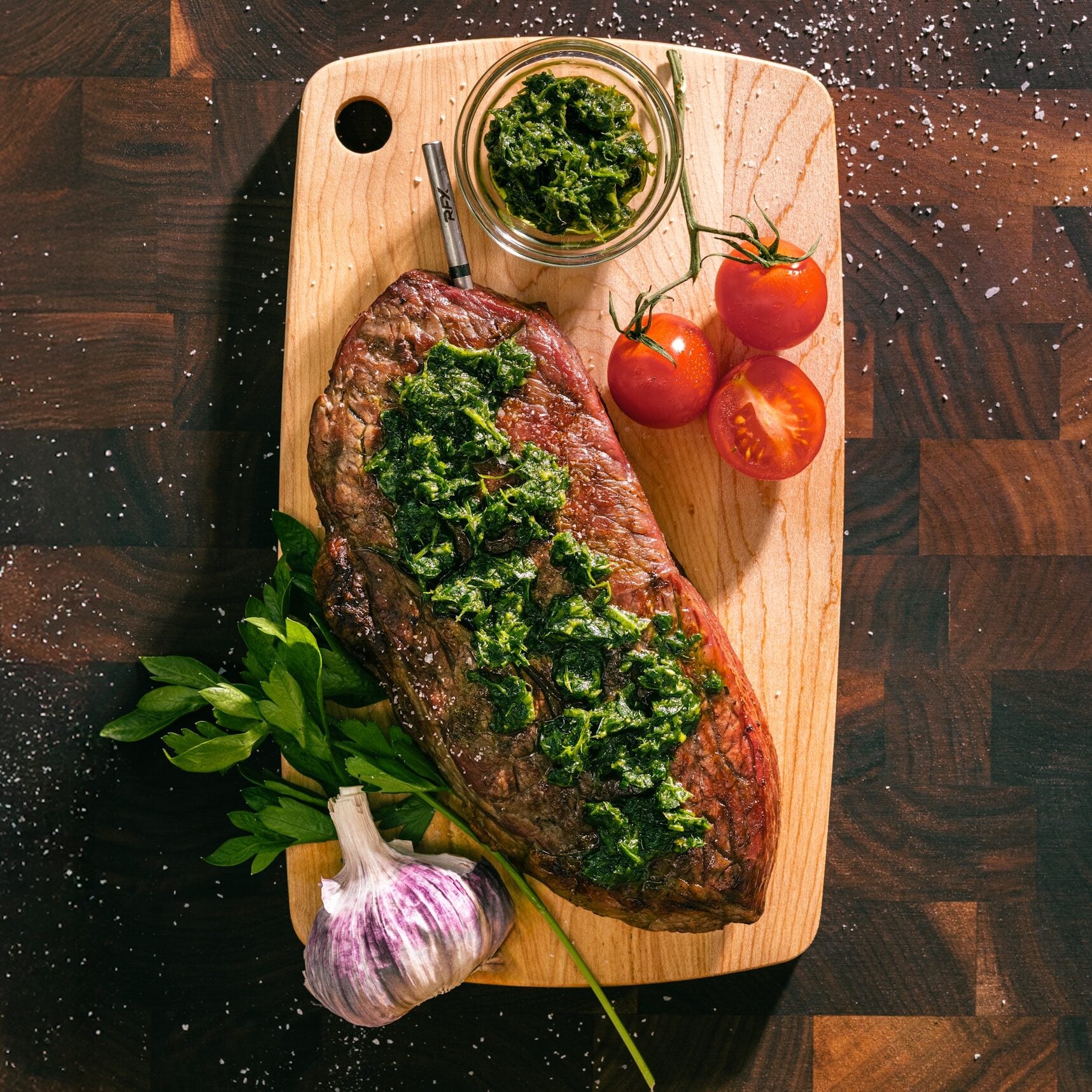
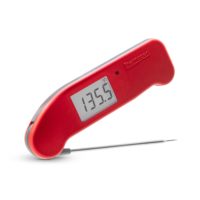
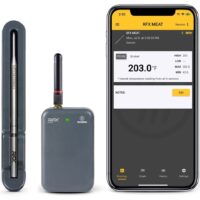
All that beef for a good price might inspire you to experiment and try some new things. We hope you do! But don’t overcook it. Please please, don’t eat a whole freezer of overcooked beef, one dry piece at a time. Do right by the cow, the grower, and yourself by protecting your meat even further: use accurate thermometers like Thermapen ONE® and RFX MEAT™ to make sure you cook each cut to perfection.
ThermoWorks is the industry leader for accuracy, speed, and durability, so you know you can trust our thermometers to help you cook your very best.

Beat Rising Prices and Cook Better Beef
Start shopping around. If you have a good butcher in town, ask them about a grower. Chat with a 4-H organizer from your area, they’re sure to know who sells good beef by the side. 200 pounds of beef in a freezer, ready to go, sounds awfully good to us, and we think it will to you, too. When you find a good grower and decide to pull the trigger, be sure you protect that investment with NODE, then Thermapen ONE. You’ll rest easy knowing your food is safe and delicious. Happy cooking!
- According to the US Bureau of Labor Statistics ↩︎