Grill-Roasted Prime Rib Recipe: How to Cook Perfect Prime Rib on a Grill
By Tim Clowers of Cook It With Tim
Overview
This Prime Rib recipe is designed to take the stress out of cooking a holiday centerpiece by relying on internal temperature instead of guesswork. Whether you’re cooking prime rib for the first time or refining your go-to method, this approach delivers consistent, restaurant-quality results using a reliable leave-in thermometer.
Prime rib is all about precision. Cooking to temperature ensures perfect doneness every time, prevents overcooking, and allows the beef’s natural flavor to shine.
Why This Method Works
Prime rib should always be cooked based on internal temperature. That’s the only reliable way to achieve consistent results without relying on timing charts or assumptions. This method is approachable for beginners, repeatable for seasoned cooks, and ideal for high-stakes holiday meals where there’s no room for error.

Ingredients
Bone-in rib roast
Butter
Prime rib seasoning
Bone-in rib roasts cook more evenly and add flavor, but this method works just as well with boneless cuts.
Equipment
RFX™ Wireless Meat Thermometer
Grill or smoker
Pellets if using a smoker
Resting blanket, foil, or a cooler
Butcher’s twine
Basting brush
Sharp knife for slicing
Cooking Instructions

Optional Salt Brine (24 Hours)
If time allows, a simple salt brine improves seasoning throughout the roast and helps create a better crust.
Slice the bones away from the rib roast and pat both the roast and bones dry with paper towels. Lightly coat all sides with salt. Use about one teaspoon of sea salt per pound of meat or half a teaspoon per pound if using table salt. Place the roast and bones on a rack and refrigerate uncovered for 24 hours.
Prep the Roast for Cooking
Preheat your grill or smoker to 250°F. Remove the roast from the fridge and season the meat with one and a half tablespoons of prime rib seasoning.
Mix the seasoning with two sticks of softened butter and rub it evenly over every inch of the rib roast, avoiding the bones. Take note of where the rib cap sits on the roast. To protect it from overcooking, place the rib cap side down onto the bones and secure everything with butcher’s twine. The roast will cook bone-side down directly on the grill grates.

Low-Heat Cook
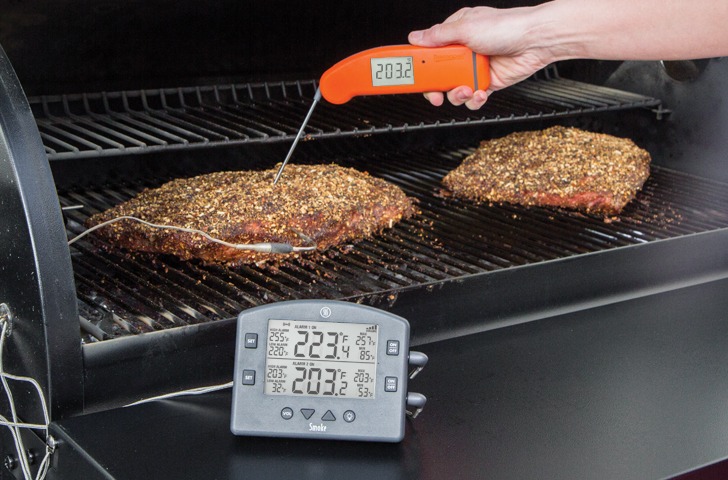
Insert your RFX Wireless Meat Thermometer into the thickest part of the roast, avoiding the bone. Cook at 250°F until the internal temperature reaches 110°F.
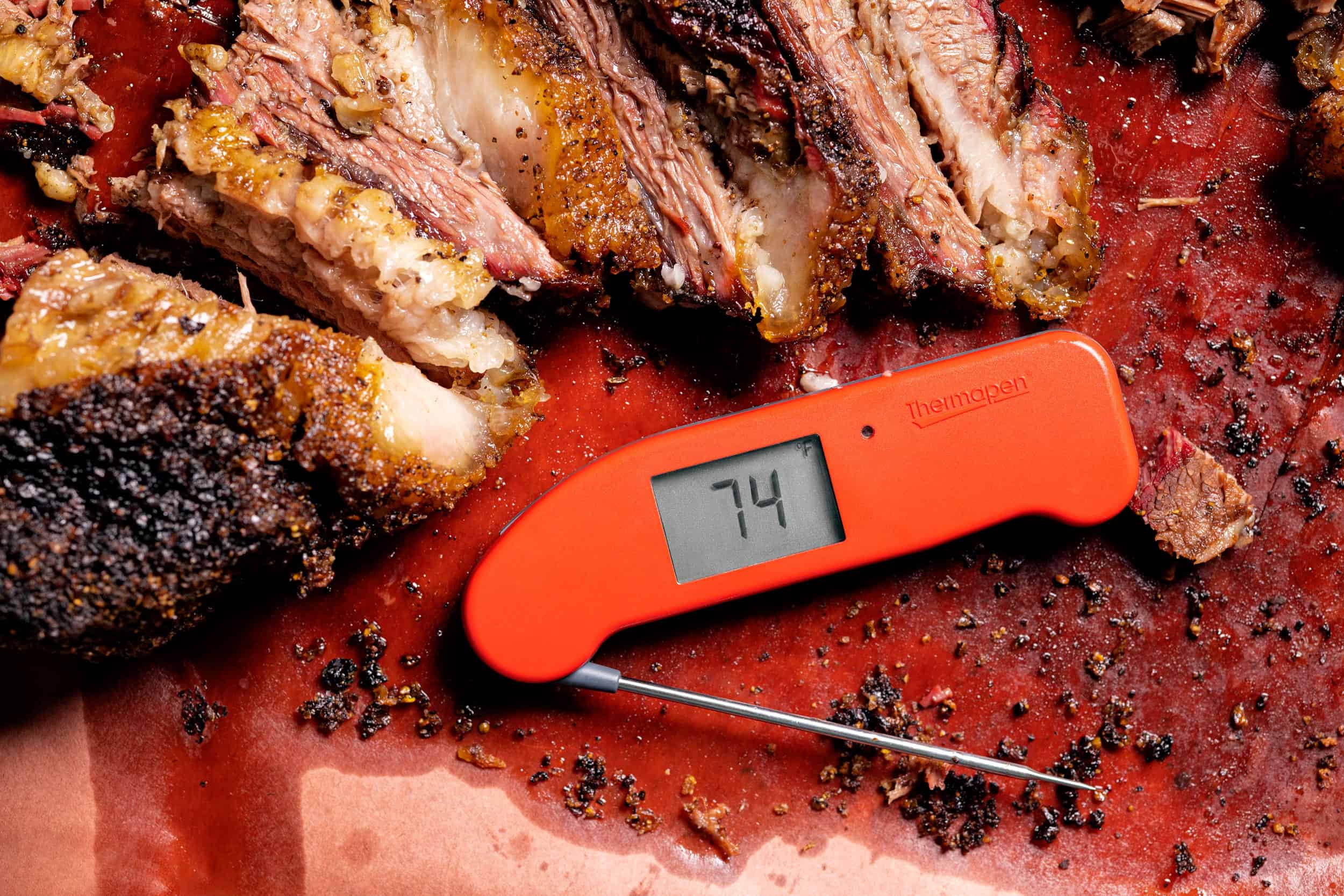
Final temperatures are always worth verifying. A quick check with your Thermapen® ONE ensures you’re accounting for carryover cooking and serving the prime rib at its ideal doneness.
Remove the roast from the grill and loosely cover with foil while increasing the grill temperature to 500°F. This usually takes about 10 minutes.

High-Heat Finish
Once the grill reaches 500°F, return the roast to the grates and continue cooking until the internal temperature reaches 120°F. Because the internal temperature is monitored the entire time with RFX, you’ll know exactly when to pull the roast and move into the high-heat finish without hesitation.
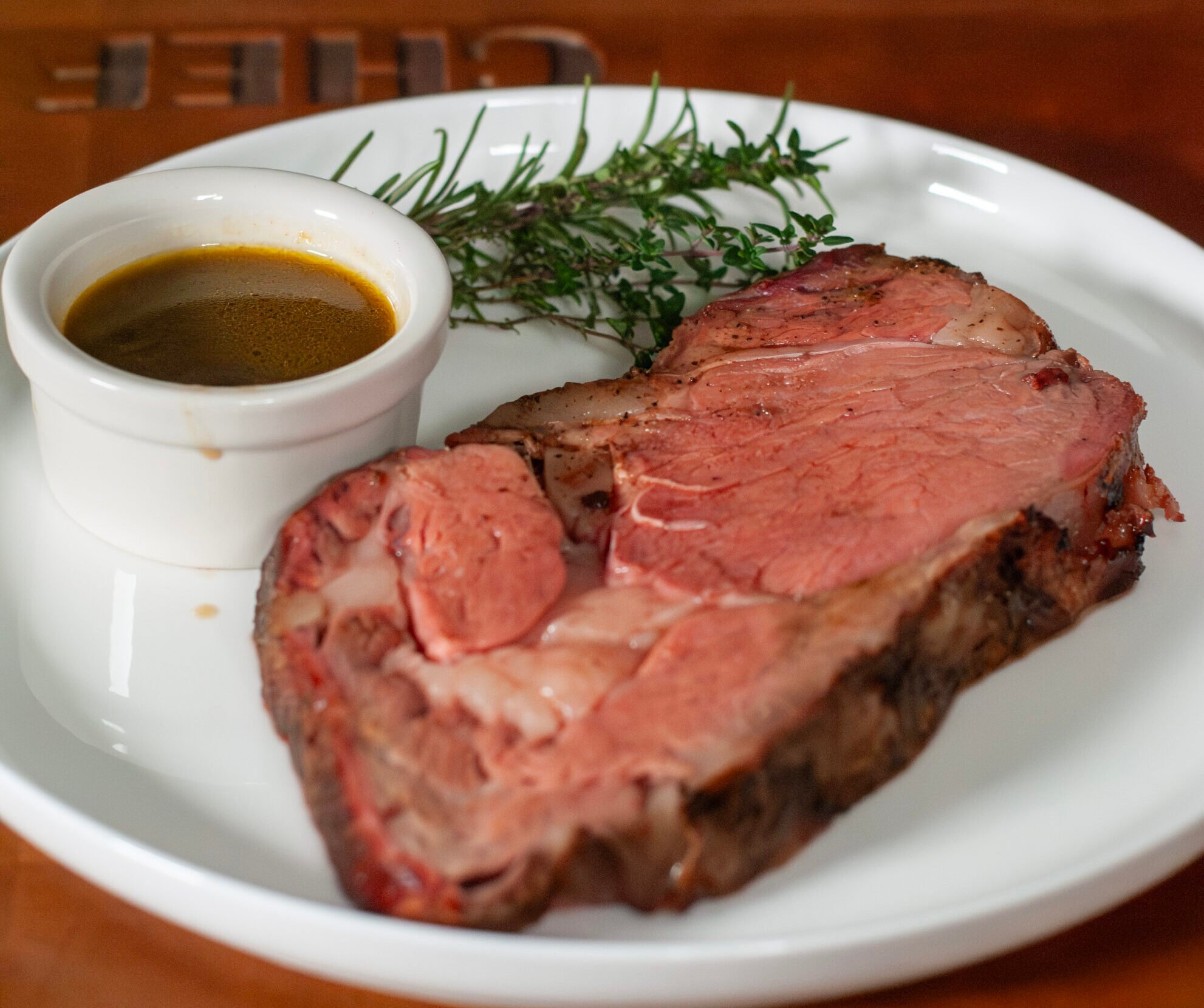
Remove the prime rib from the grill and rest it, covered, for 20 minutes. During the rest, carryover cooking will raise the internal temperature by approximately 7 to 10 degrees. You can continue to measure temperature with your RFX Wireless to see your carryover cook doing the work. Slice and serve with jus.

Prime Rib Temperature Guide
It’s important to account for carryover cooking once the roast comes off the heat. Internal temperature will continue to rise as the meat rests.
Rare
Remove at 110–115°F
Final resting temperature 117–120°F
Medium rare (recommended)
Remove at 120–125°F
Final resting temperature 127–130°F
Medium
Remove at 130–135°F
Final resting temperature 137–140°F
Serving Suggestions
Slice thick and serve with au jus. Creamy horseradish sauce is a classic pairing, and mashed potatoes with roasted vegetables round out the meal perfectly. Leftovers make incredible sandwiches or steak and eggs the next morning.
Perfect Prime Rib Roast
Ingredients
- Prime Rib Roast
- 2 Sticks of butter, softened
- 1 1/2 tablespoons prime rib seasoning
Directions
- Optional Salt Brine (24 hours)
If time allows, separate the bones from the rib roast and pat both dry. Season all sides evenly with salt using about 1 teaspoon of sea salt per pound. Place the roast and bones on a rack and refrigerate uncovered for 24 hours. - Preheat and Season
Preheat grill or smoker to 250°F. Remove the roast from the refrigerator. Mix prime rib seasoning into softened butter and rub evenly over the entire roast, avoiding the bones. - Tie and Prepare the Roast
Place the rib cap side down onto the bones and secure tightly with butcher’s twine. Insert a leave-in thermometer probe into the thickest part of the roast, avoiding bone. - Low-Temperature Cook
Cook the roast bone-side down at 250°F until the internal temperature reaches 110°F. - Prepare for High-Heat Finish
Remove the roast from the grill and loosely tent with foil. Increase grill temperature to 500°F and allow it to fully preheat. - High-Heat Finish
Return the roast to the grill and cook until the internal temperature reaches 120°F. - Rest the Roast
Remove from heat and rest, covered, for 20 minutes. Internal temperature will rise 7–10°F during resting. - Slice and Serve
Remove twine, slice against the grain, and serve with au jus.
Frequently Asked Questions
You are on the right track here, a Ribeye Roast is the uncut version of ribeye steaks, and when it is cooked whole, it is what we call prime Rib. The name can vary by store, but the cut is the same.
Plan on ¾ – 1 pound per person for bone-in roasts or ½ -¾ pounds per person for boneless.
Cook it uncovered. This allows moisture to evaporate and helps develop a better crust of flavor.
Meet Tim Clowers


Tim Clowers is the creator behind CookitWithTim.com, a food and lifestyle brand focused on approachable, flavor-driven recipes for everyday home cooks. A devoted husband and family man, Tim believes the best meals are those shared with people you love.
His cooking style is influenced by travels to over 60 countries, where he developed a deep appreciation for diverse cultures, ingredients, and cooking traditions. Tim also gained national recognition as a contestant on FOX’s Next Level Chef, further sharpening his skills and reinforcing his commitment to quality and precision in the kitchen.
Beyond content creation, Tim actively serves his community, partnering with Juniper Worldwide to regularly feed the homeless, using food as a way to bring dignity, care, and connection. Through Cook It with Tim, he creates practical, trustworthy content that helps home cooks cook with confidence.
Key Takeaways
- This perfect prime rib recipe prioritizes internal temperature over timing for consistent, restaurant-quality results.
- Begin with a bone-in rib roast for better flavor, season with butter and prime rib seasoning, and opt for an optional salt brine for enhanced taste.
- Cook the roast at 250°F until it reaches 110°F, then finish at 500°F for a crusty exterior.
- Use a leave-in thermometer for precision, monitor carryover cooking, and rest the roast for optimal doneness before slicing.
- Serve thick slices with au jus, and consider pairing with creamy horseradish sauce and mashed potatoes.