

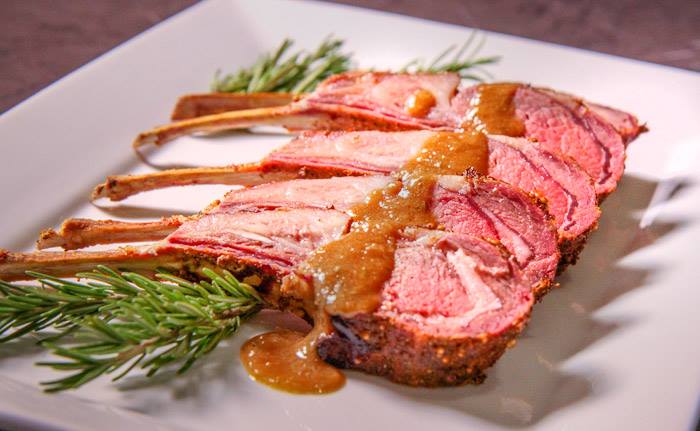
Rack of Lamb
Memorable meals are often anchored by an elegant cut of meat as their centerpiece. With its tender and juicy texture, rack of lamb is a selection that fits the bill perfectly, and is so much more straightforward than you might think. Achieving the result you want for this sumptuous feast is just a couple of thermal tips away.
Lamb: A Chart-Topper
Lamb is one of the mostly highly consumed meats per capita worldwide (lamb and goat together are number one). In the United States, we’re second only to Luxembourg in the highest overall amount of meat consumption, but lamb is one of the least utilized proteins in the U.S. Aside from its many traditional holiday applications, this flavorful meat is gaining popularity as a featured main course in restaurants.
While lamb’s protein is very similar to beef, it is a bit finer grained and more tender. To be sure this delicate meat is juicy, our target pull temperature is 105°F (41°C) for a final medium rare maximum temperature of 130°F (54°C). That seems very low, but with a grill this hot, we can expect a lot of carryover cooking in this small cut of meat!
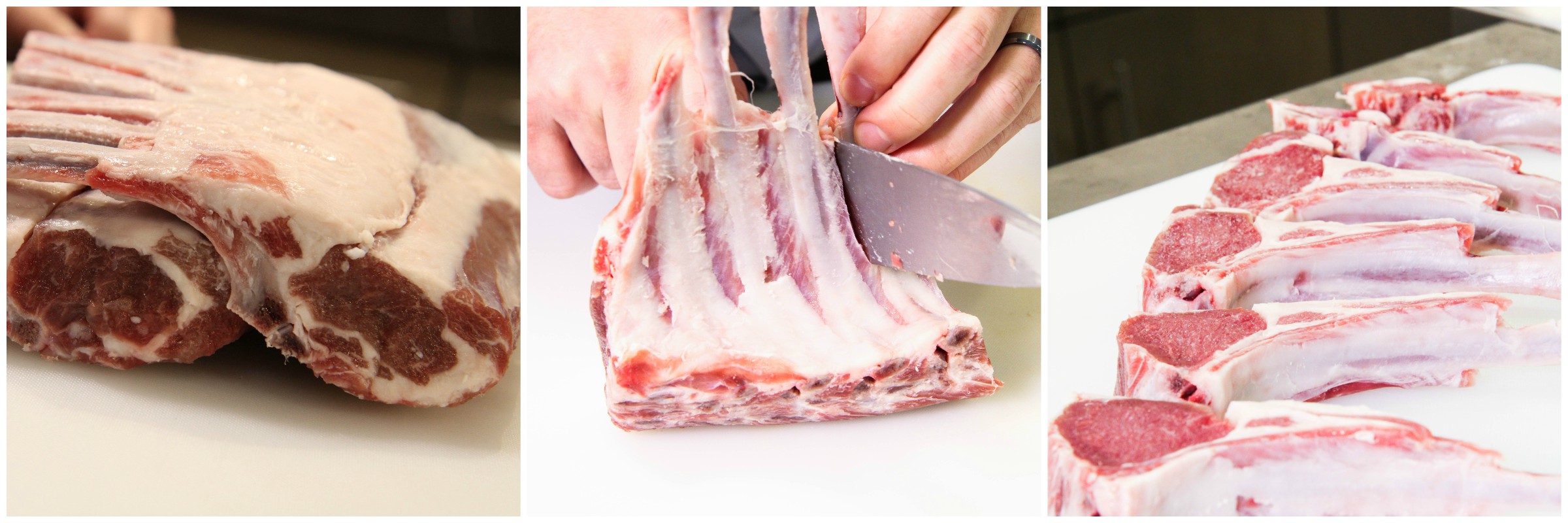
Whole Rack, or Chops?
When lamb chops are grilled individually, there is a higher ratio of exposed surface area to internal meat. This means more caramelized crust per portion, but it also means there will be more meat exposed to higher temperatures and cooked above medium rare. For beautifully pink, tender, medium rare meat from edge to edge, cook the rack whole.
Thermal Tip: Bones
Bones are very porous, poor conductors of heat and act as insulation during cooking. Meat closest to the bone doesn’t cook as quickly as the rest of the meat. This helps prevent overcooking and moisture loss, contributing to a juicier finished product.
—The Science of Good Cooking, Cook’s Illustrated, pg. 90
You may have heard that bone-in meat yields a more flavorful end result. Unless the meat will be cooked low and slow for hours, no flavor is being rendered from the bones. The insulating properties of bones slow the rate of heat transfer in the meat closest to it. A finished product with more tender and juicy meat at the bone can give the perception of more flavor, but the reason for this improved eating quality is in the meat’s temperature, not added flavor from the bones.
It is important to note that because bones respond differently to heat than meat, you should always take care to avoid resting a probe tip against any bone when monitoring or spot checking the temperature of meat. It is the meat you will be eating, not the bones!
The Cook:
- 2-3 whole frenched racks of lamb, 1-1/2 to 2 pounds each
Rub Ingredients:
- 2 Tbsp dried rosemary leaves, broken or crushed a bit by hand
- 1 Tbsp whole mustard seeds
- 1 Tbsp ground black pepper
- 1 Tbsp paprika
- 1 tsp ground bay leaves (if you can’t find ground bay leaves, grind whole leaves in a spice grinder)
- 10 cloves fresh garlic, pressed or minced
- 6 Tbsp water
Prep: Dry Brine
• Rinse lamb racks and pat dry, generously coat in salt, and refrigerate for at least 2 hours, but overnight is best. The salt will not only season the meat, but will alter the structure of the protein increasing its ability to retain juices while cooking.
Cook Day:
High Heat or Low Heat?
Rack of lamb is a fairly small and tender cut—not ideal for low and slow cooking methods used for pork shoulder and brisket. A higher cooking temperature will adequately bring the internal temperature to its target and give a nice crust to the exterior of the lamb in a one-step cooking process.
Fire Up the Cooker:
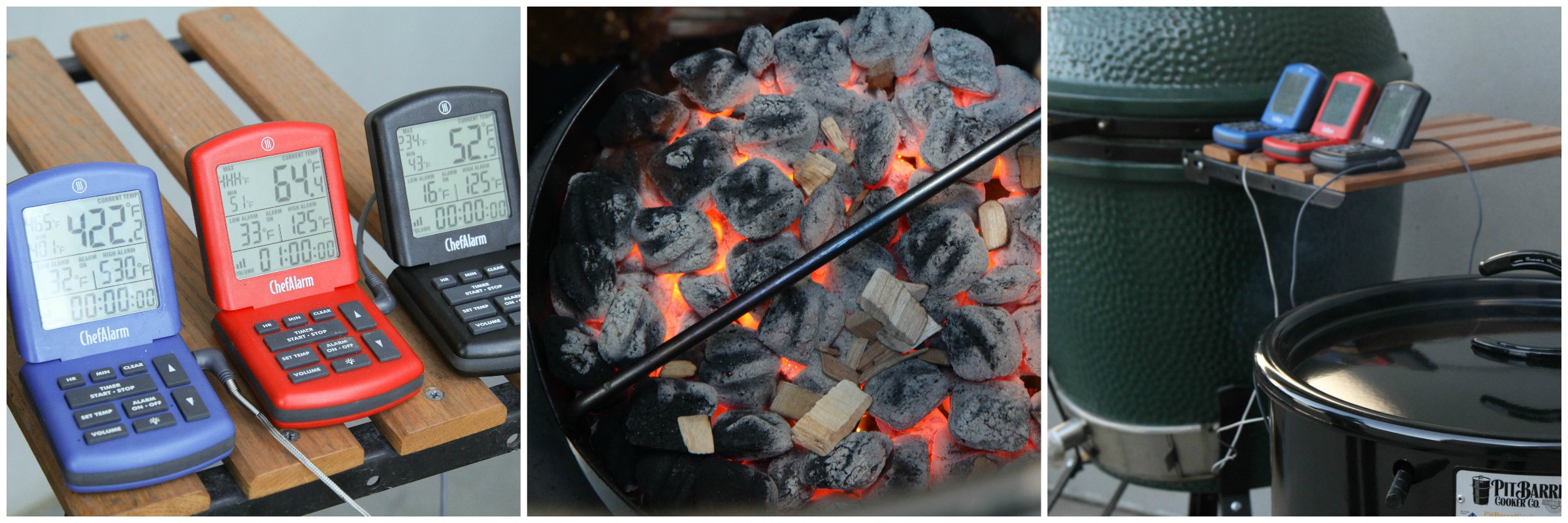
For a little change of pace we used a Pit Barrel Cooker to smoke the rack of lamb, but you could cook it in your oven. Pre-heat your oven to 425°F (218°C).
In the Pit Barrel, the meat is hooked and hung from rods at the top, and the heat is controlled with a ventilation cap. We took the coal basket out of the cooker, filled it with charcoal and used a little bit of lighter fluid. We then placed the basket full of coals back into the cooker, lit the coals and allowed them to burn for about 20 minutes.
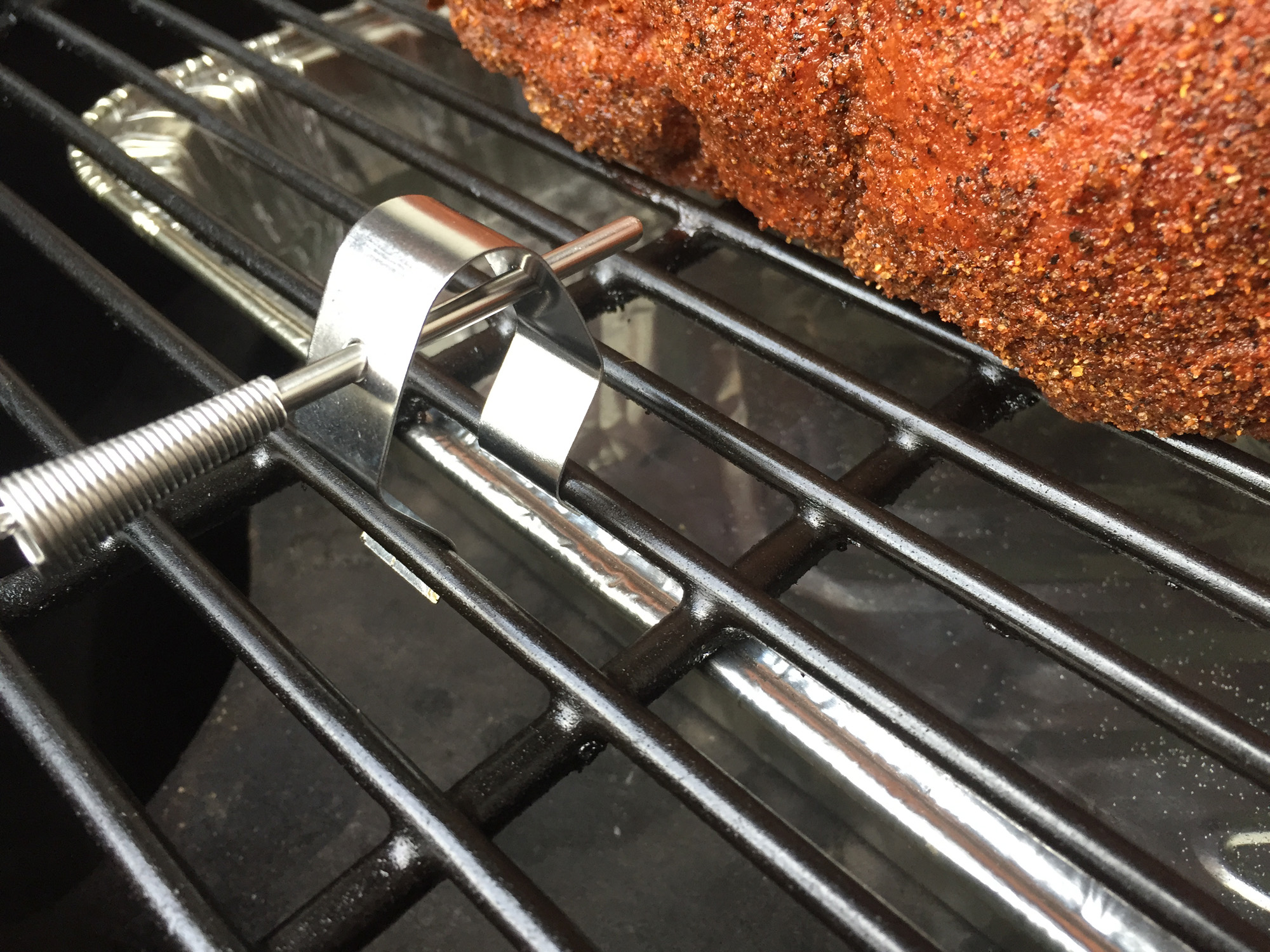
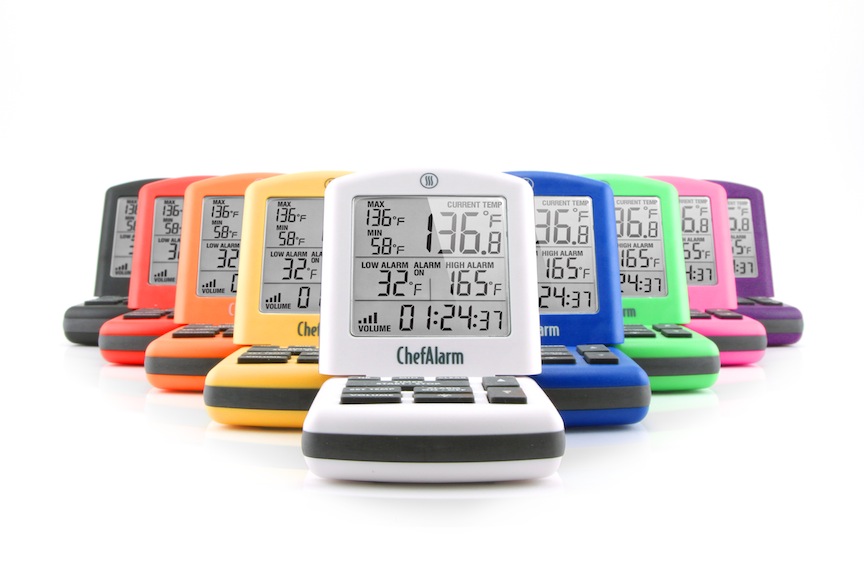
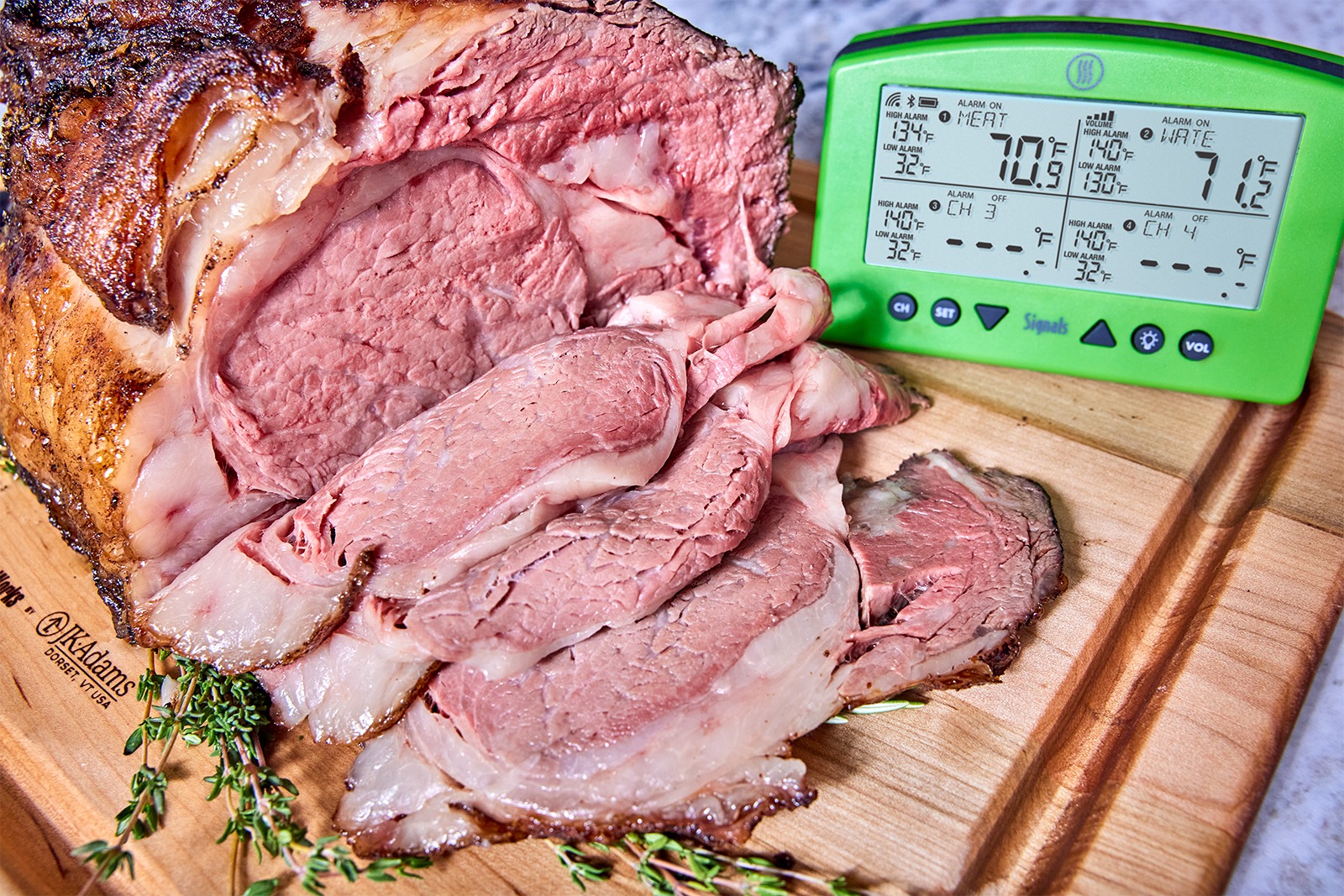
Tracking the cooker’s internal temperature was easy with a ChefAlarm®. We draped an air probe over one of the hanging rods, set the low alarm to 415°F (213°C) and the high alarm for 435°F (224°C), and manipulated the vents until the cooker’s temperature had stabilized around 425°F (218°C) before switching out the probe for our meat and resetting the ChefAlarm alarms.
Prep the Meat:
• Rinse salt off of the lamb and pat completely dry.
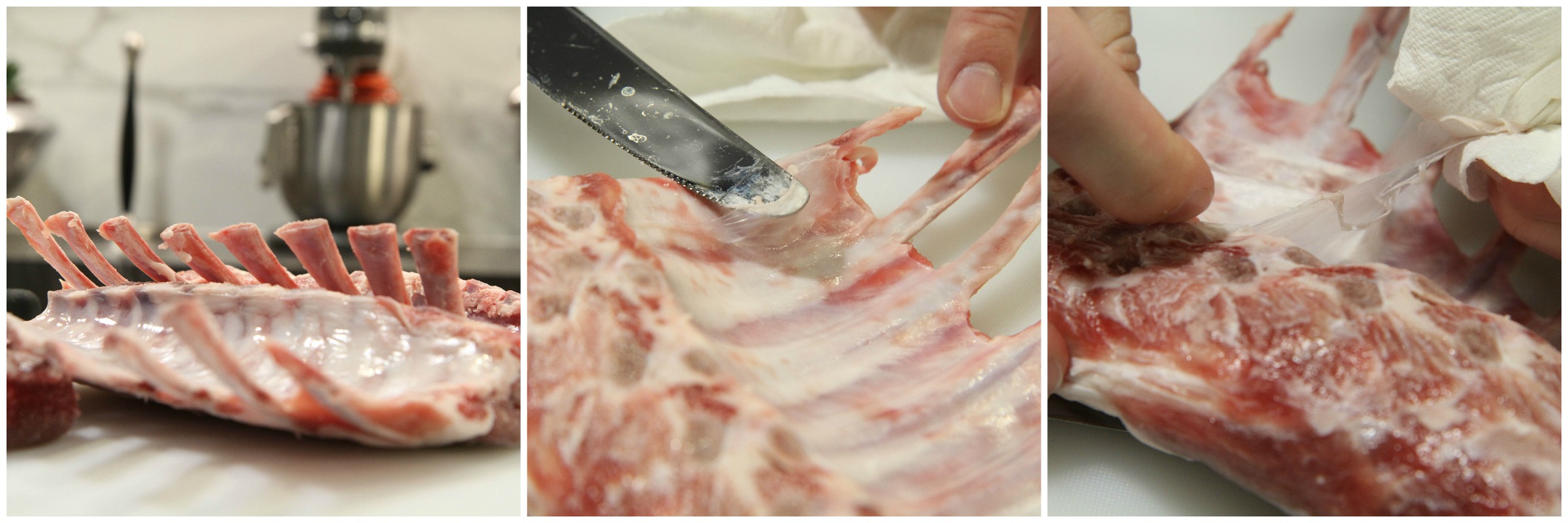
• Remove the membrane using a butter knife, prying underneath the membrane at one end, using a paper towel to grip, pulling it up along the ribs until it comes free. This silverskin attaches the bones to the meat, and does not fully render like other connective tissue. For the best eating experience, remove the membrane.
• Combine all rub ingredients with water to make a paste, and rub the paste over the meat’s surface area.
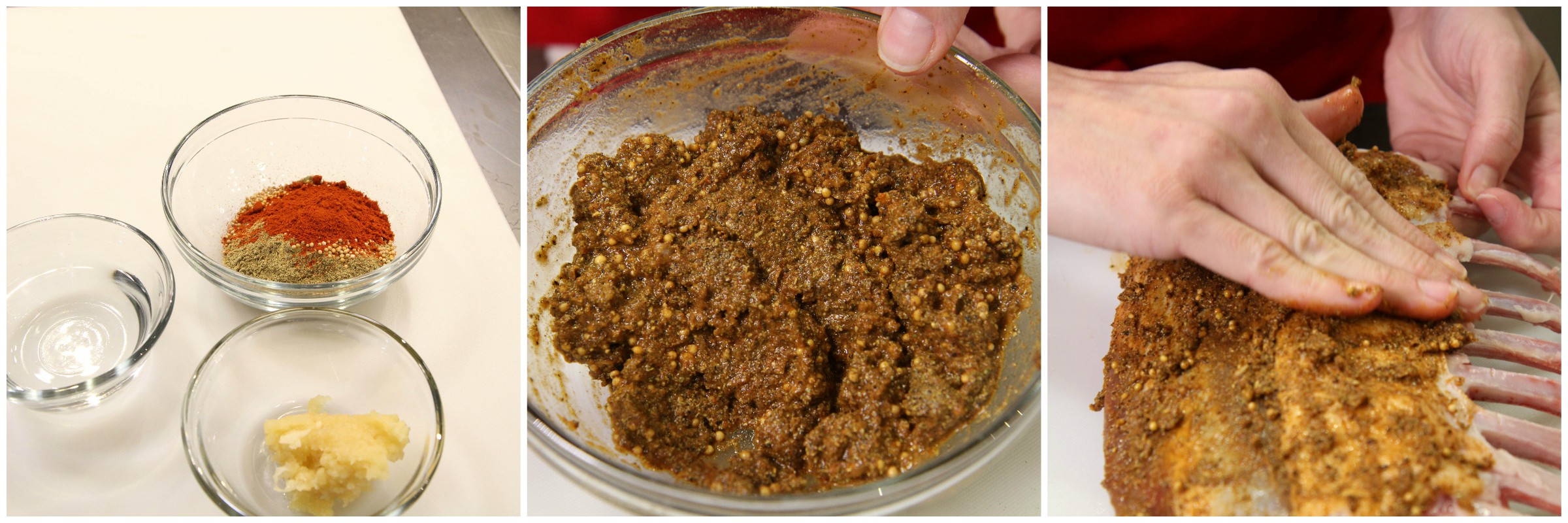
• Insert cooker hanging hooks, and place a Pro Series® needle probe into the thickest part of the meat in the center of the rack away from the bones. With its 4″ probe, the needle probe is the best choice for smaller, more delicate pieces of meat like this rack of lamb or salmon filets. The needle probe is one of the thinnest thermistor probes available anywhere. The smaller thermistor sensor means speedy 3-5 second readings.
Hang lamb racks in the cooker (or place it in the pre-heated oven), connect the needle probe to the ChefAlarm unit, and secure the lid (or shut the oven door). Set the ChefAlarm’s high alarm to 105°F (41°C). Total cook time varies, but it was approximately 30 minutes in our Pit Barrel.
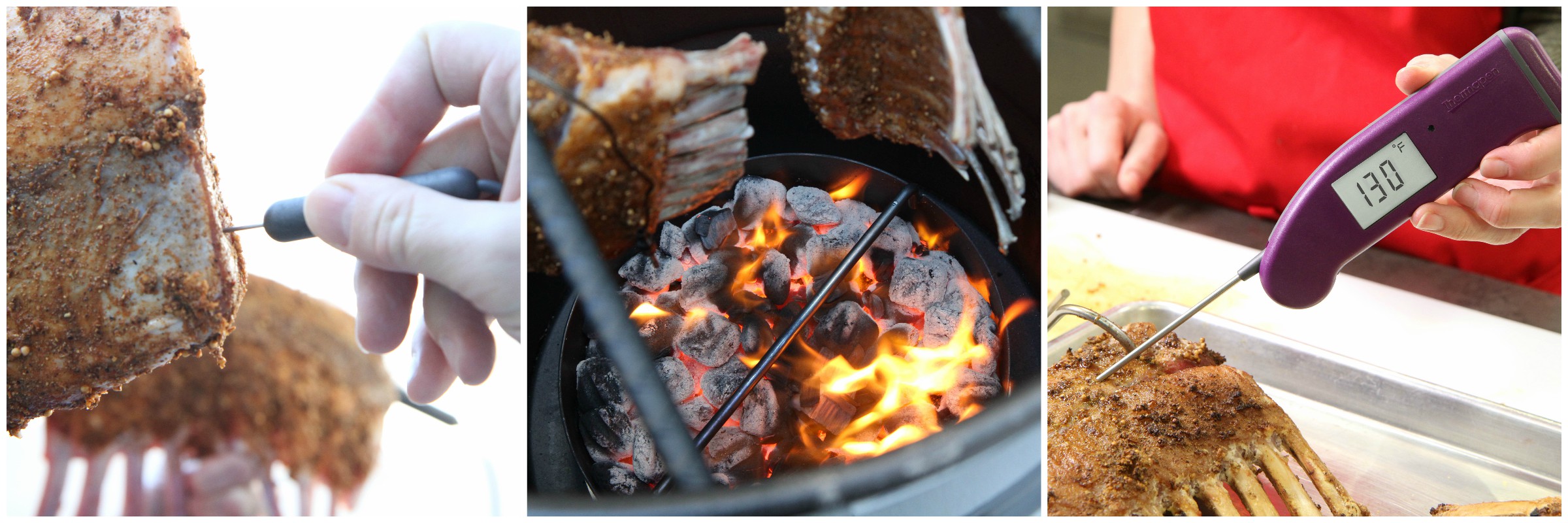
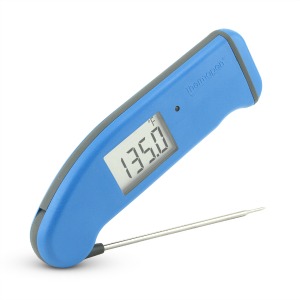
• When the ChefAlarm‘s high alarm sounds, a quick spot check with an instant-read digital thermometer like a Thermapen® Mk4 will make sure that you have reached your target pull temperature of 125°F (52°C) in multiple locations through the meat. If a lower temperature is found, cook for a couple minutes longer.
“Most recipes can’t predict correct cooking times. There’s no substitute for checking meat doneness yourself, early and often. use a reliable thermometer to measure cooking and internal meat temperatures.”
—Keys to Good Cooking, Harold McGee, pg. 238-239
• Remove the lamb racks from cooker, place on a sheet pan or cutting board, tent with heavy-duty foil and let rest for about 5 minutes. Carryover cooking will increase the internal temp by about a whopping 25°F (14°C) to a final maximum temperature of 130°F (54°C).
Thermal Tip: Resting Meat
During the rest, center-seeking heat energy near the outside edges of the meat continues to travel, increasing the meat’s internal temperature after removal from the heat source. Once protein denaturation ceases, the more rigid protein fibers that had been squeezing out liquid are able to relax and retain juices. If your goal is tender juicy meat, a rest is best!
Slice and Serve
• Following the angle of the bones, slice the rack of lamb between the bones into individual portions. The lamb is tender and juicy enough to be enjoyed on its own, but a simple accompaniment like this Mustard-Shallot Sauce from Food and Wine works beautifully.
Cooking the rack whole and pulling from the heat when your ChefAlarm high alarm reaches 125°F (52°C) helps to maximize the tender and flavorful qualities of this cut of lamb. With these thermal tips in mind, you can prepare your lamb roast with confidence!
Products Used:
Resources:
Dolly’s Lamb Rub, AmazingRibs.com
Rack of Lamb, Pit Barrel Cooker
The Science of Good Cooking, Cook’s Illustrated
Keys to Good Cooking, Harold McGee

what type of wood do you recommend using with lamb?
Chris,
Oak or alder would work well. Happy cooking!
-Kim