Cast Iron Care 101: Expert Tips from Cast Iron Chris
Cast Iron Care 101: Expert Tips from Cast Iron Chris
There are few tools in the kitchen as enduring—or as fiercely loved—as cast iron. It sears steaks with confidence, bakes bread like a champ, and can outlive every other pan in your kitchen by a century. But for many cooks, cast iron also inspires confusion and the occasional dose of fear. Soap or no soap? How hot is too hot? When do you re-season? And what do you do when rust strikes?
To cut through the myths and get to the real, science-backed answers, we turned to someone who knows cast iron better than almost anyone: Chris Wing of Cast Iron Chris.
Chris has restored hundreds of vintage pans, built a massive following online, and turned cast-iron care into both a craft and a passion. Today, he’s sharing his story—and his best temperature-focused tips—with us.
How It Started: A Wedding Gift That Changed Everything
Like many great kitchen obsessions, Chris’s began with a single skillet.
“A friend restored a vintage skillet from the 1940s and gave it to my wife and me as a wedding gift,” he told us. “My brain warped immediately.”
The idea that a tool nearly 100 years old could be brought back to life—and used daily—sent him down a rabbit hole. Soon, he was restoring pans, hunting for vintage pieces, and by late 2021, sharing that journey on social media.
Today, thousands of home cooks rely on him for cast-iron know-how.
The Biggest Thing People Get Wrong About Cast Iron
Chris didn’t hesitate here.
“People tend to baby their cast iron. They claim it’s indestructible, then freak out if you mention soap or tomato sauce.”
He boils cast iron care down to two rules:
1. Keep it clean.
2. Use it often.
Cast iron thrives on regular cooking. Heat + oil + repetition = strong seasoning. Avoiding normal ingredients or skipping proper cleaning only creates problems down the road.
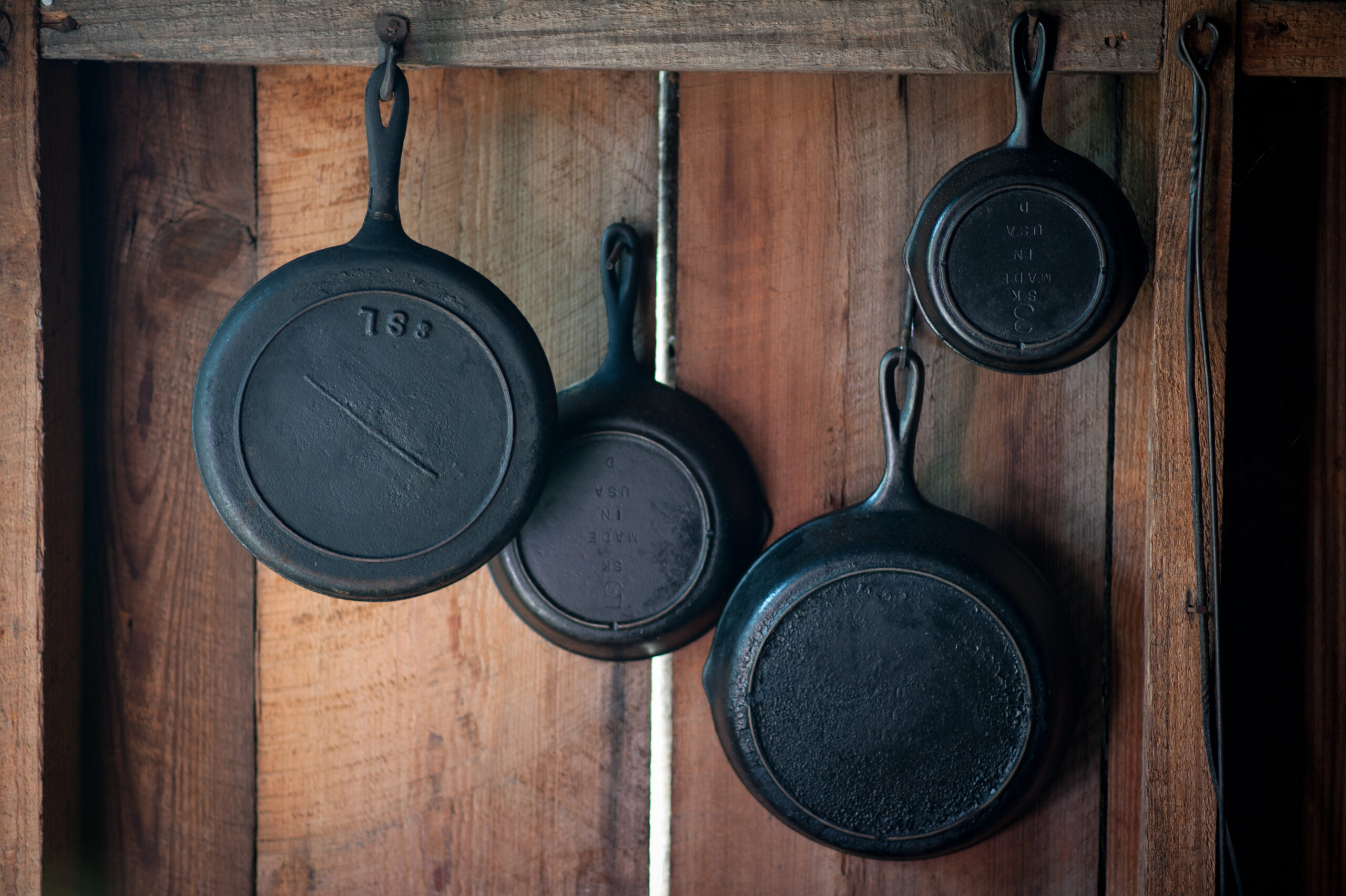
The Restorations: The Tedious, the Tricky, and the Time-Consuming
While Chris can’t remember the very first pan he restored (“Sighs deeply”), the ones that test him most today all have one thing in common: nooks and crannies.
“Waffle irons, muffin pans, corn stick pans… any piece used for baking is a headache. The challenge isn’t removing rust—it’s getting seasoning into every tight spot and removing the excess. And you repeat that multiple times.”
If you’ve ever seasoned a skillet and thought one round was enough, imagine doing it 6–8 times across dozens of tiny compartments. Chris has patience that most mortals do not.
Temperature and Cast Iron
“Temperature is everything with cast iron,” Chris told us. “It’s the difference between a perfect golden crust and a disappointing, stuck-on mess.” Because of that, he leans hard on a few ThermoWorks tools to keep every cook—indoors or out—precise.
ThermoWorks IR Gun: Precision for Vintage Gear
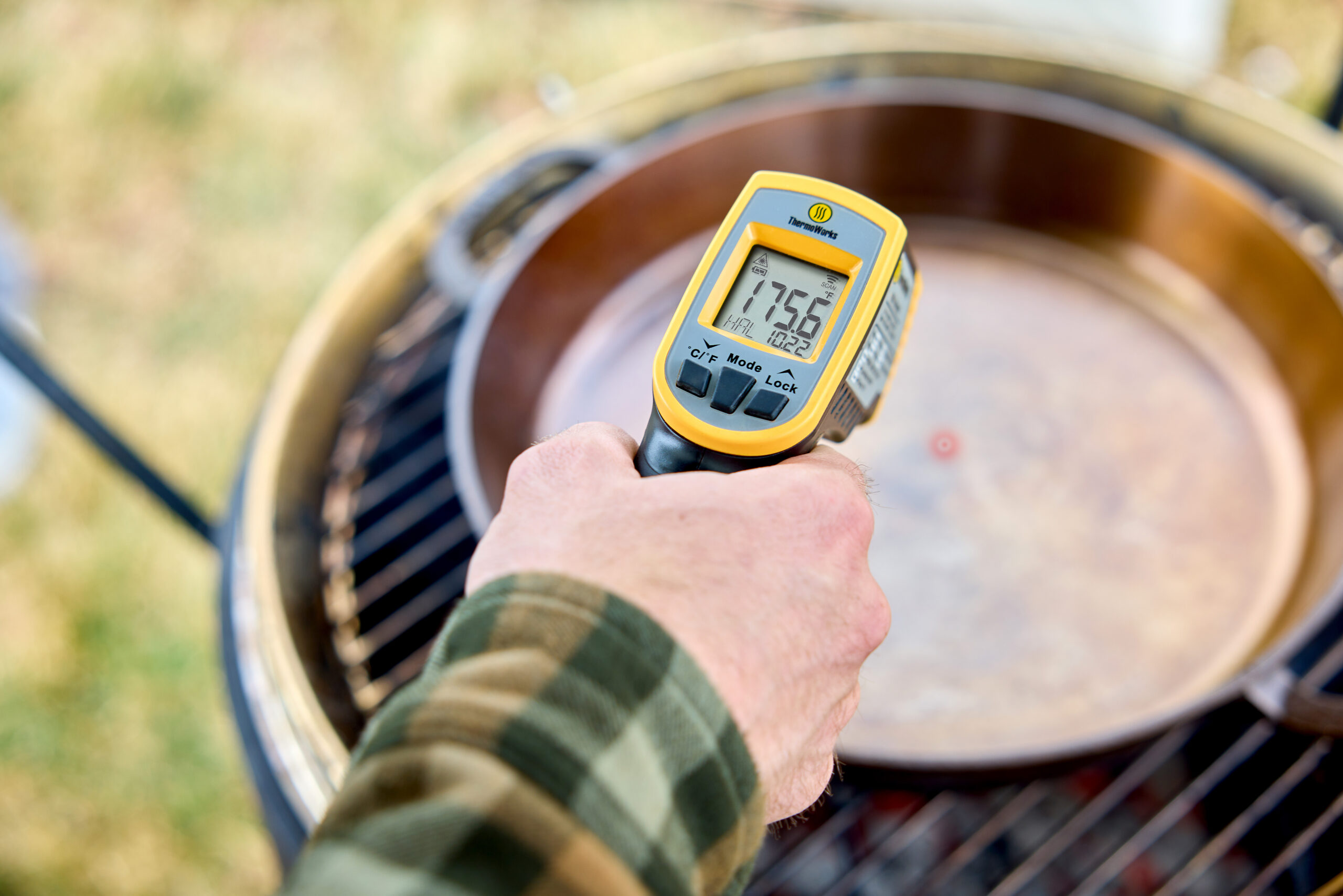
“I love using my ThermoWorks IR gun for checking surface temps, and I use it often.”
That precision matters most when Chris leans into his vintage cookware. Take the waffle iron from the 1930s he cooks with regularly—no thermostat, no indicators, just two cast-iron paddles.
“The sweet spot before adding batter is 375–400°F. With the IR gun, I hit the paddles, know the exact surface temp instantly, and the waffles come out chef’s kiss every single time.”
When you’re working with 90-year-old equipment, accuracy isn’t optional—it’s the lifeline.
RFX™ Wireless Probe: Essential for Fire Cooking
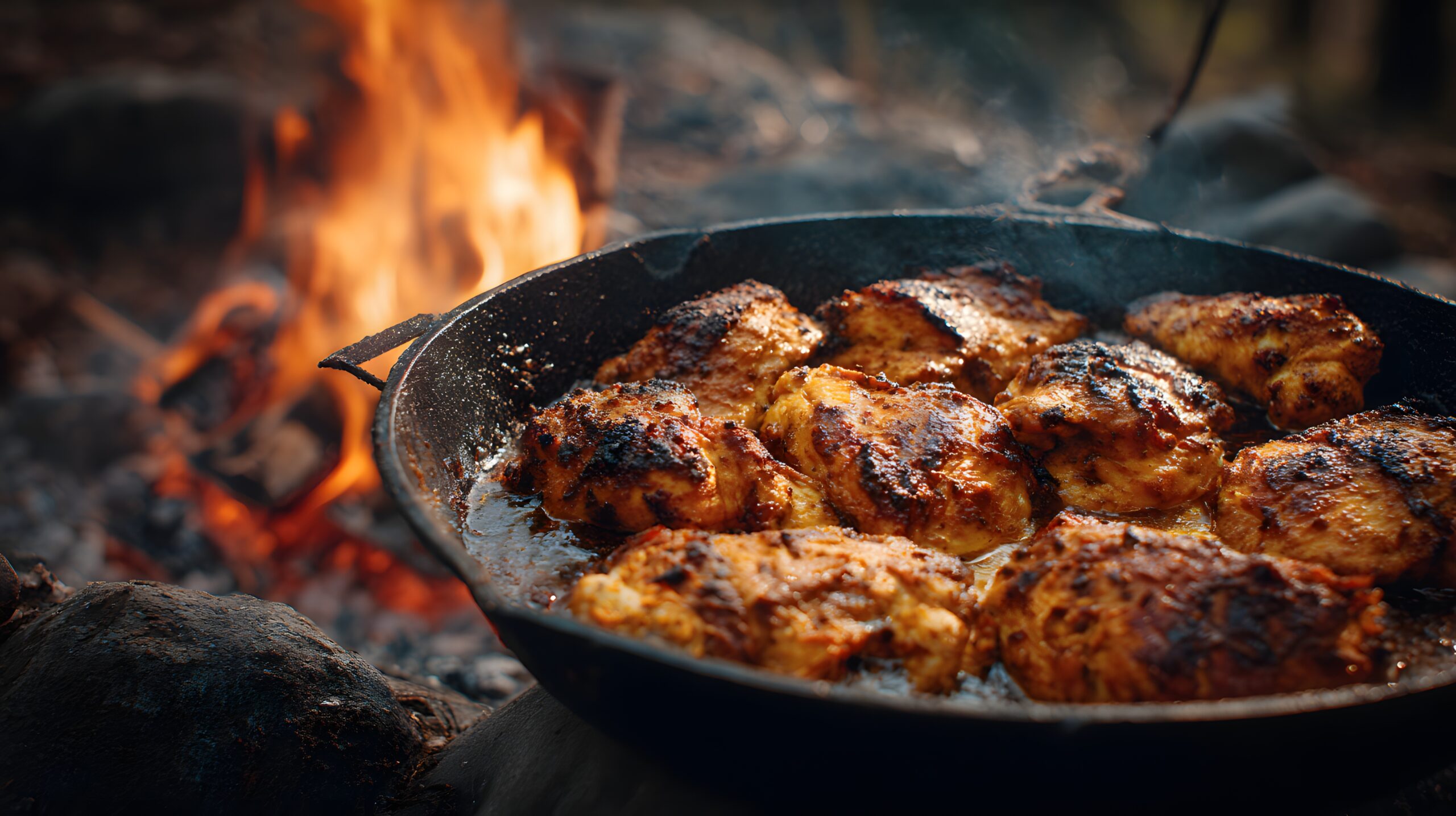
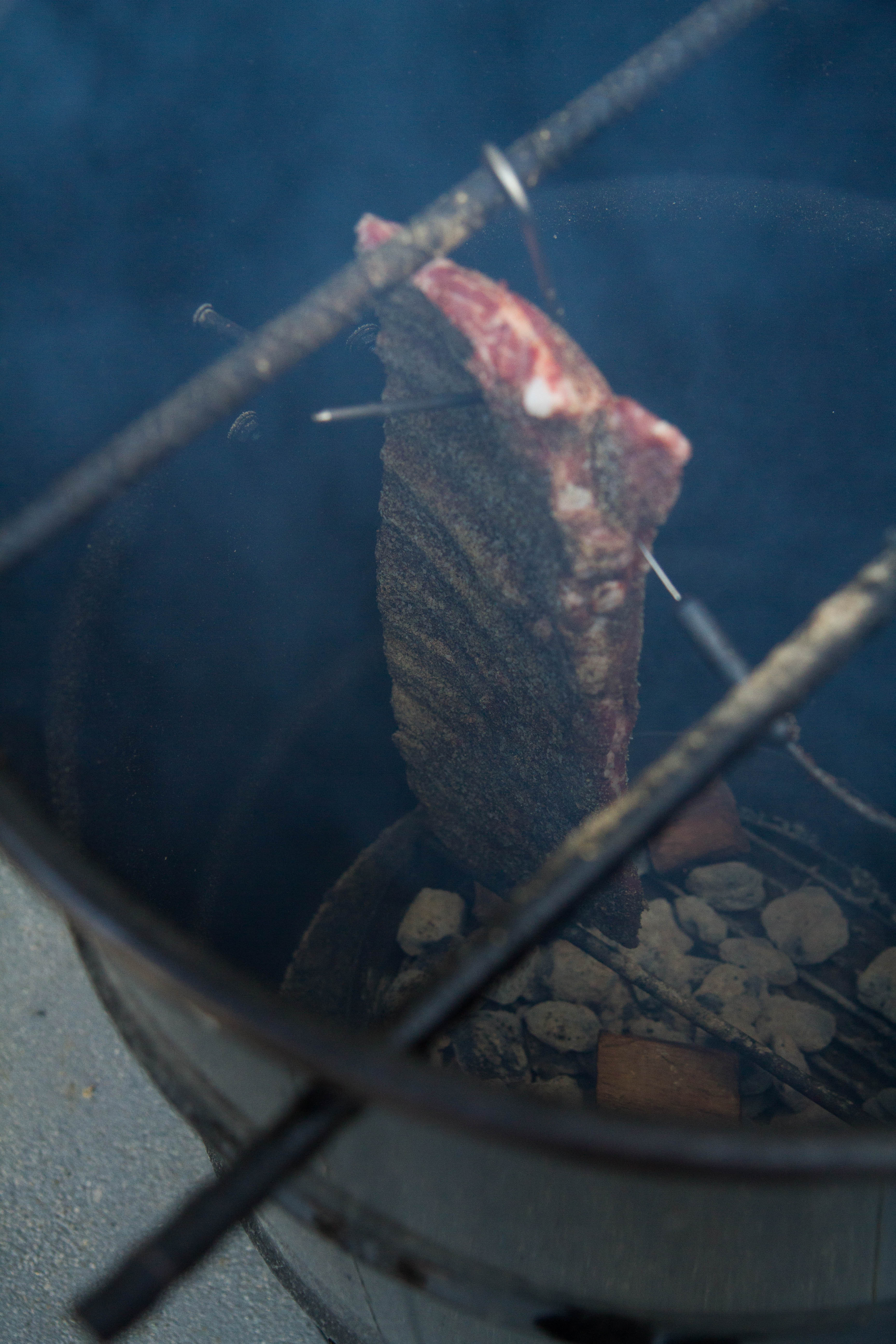
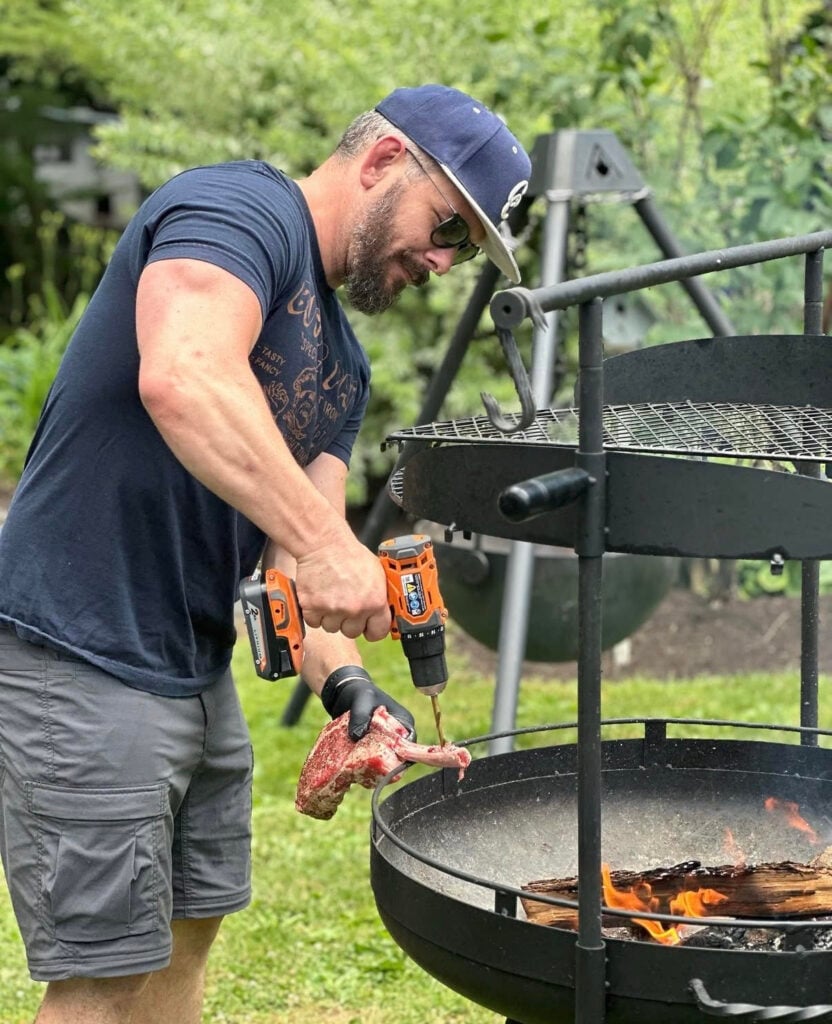
Chris also cooks a lot over live fire—hanging Dutch ovens, searing steaks on grates suspended over embers, even slow-smoking meat outdoors.

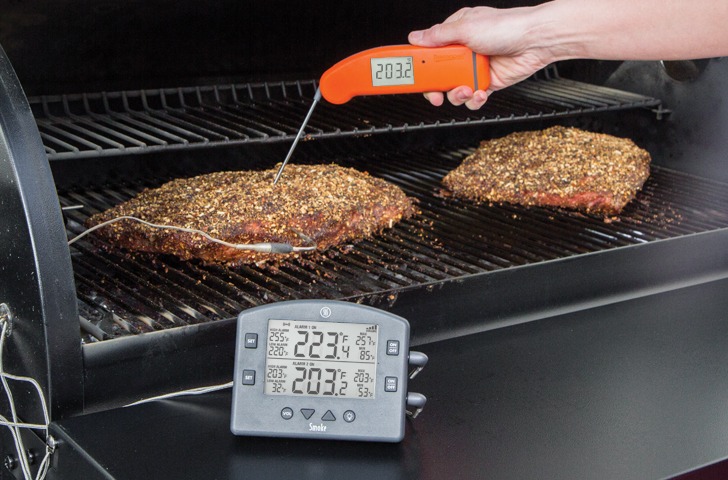
“When I’m cooking outside over a wood fire, RFX Meat Wireless Thermometer is my go-to. I can be managing the fire, prepping sides, or wrangling kids, and still know exactly what’s happening inside the meat.”
RFX Wireless means no babysitting, no second-guessing, and no slicing into that roast you’ve had riding the fire for hours to check for doneness.
For wild heat and unpredictable environments, accurate internal temp is everything.
Thermapen® ONE: The Constant Companion
No surprise here: Thermapen ONE is Chris’s daily driver.
“If there’s one ThermoWorks tool that’s constantly in my hand, it’s Thermapen ONE. I use it inside, outside—everywhere.”
Fast readings matter when working with cast iron, which holds heat aggressively and can overcook food before you realize it. The Thermapen lets him check doneness instantly so he can pull food at exactly the right moment.
Plus, he cooks late into the evening:
“My love for wood-fired cooking means I’m often outside after dark. That backlit display is a lifesaver. And if I forget to bring it in and it rains overnight… well, Thermapen ONE can handle it.”
From vintage gear to modern open-fire cooking, Chris relies on temperature as the great equalizer—and ThermoWorks tools keep every piece of cast iron honest.
Temperature Tips: Searing, Baking & Frying in Cast Iron
Cast iron has a mythic reputation for “holding heat.” But Chris breaks down the why behind that magic:
“Cast iron is actually a poor conductor of heat. It heats slowly and cools slowly. That means incredible heat retention and consistent cooking.”
Consistent heat matters when:
- Searing steaks and burgers
- Baking bread or skillet desserts
- Frying chicken or potatoes
But that slower response time also means: If your pan gets too hot, there’s no instant fix. You’ll need to remove it from the heat and let thermodynamics run its course. This is exactly where checking with IRK-2 pays off.
Cleaning 101: Soap Is Not the Enemy
Chris’s cleaning method could not be simpler:
Wash → Dry → Oil.
That’s it. And yes—with soap.
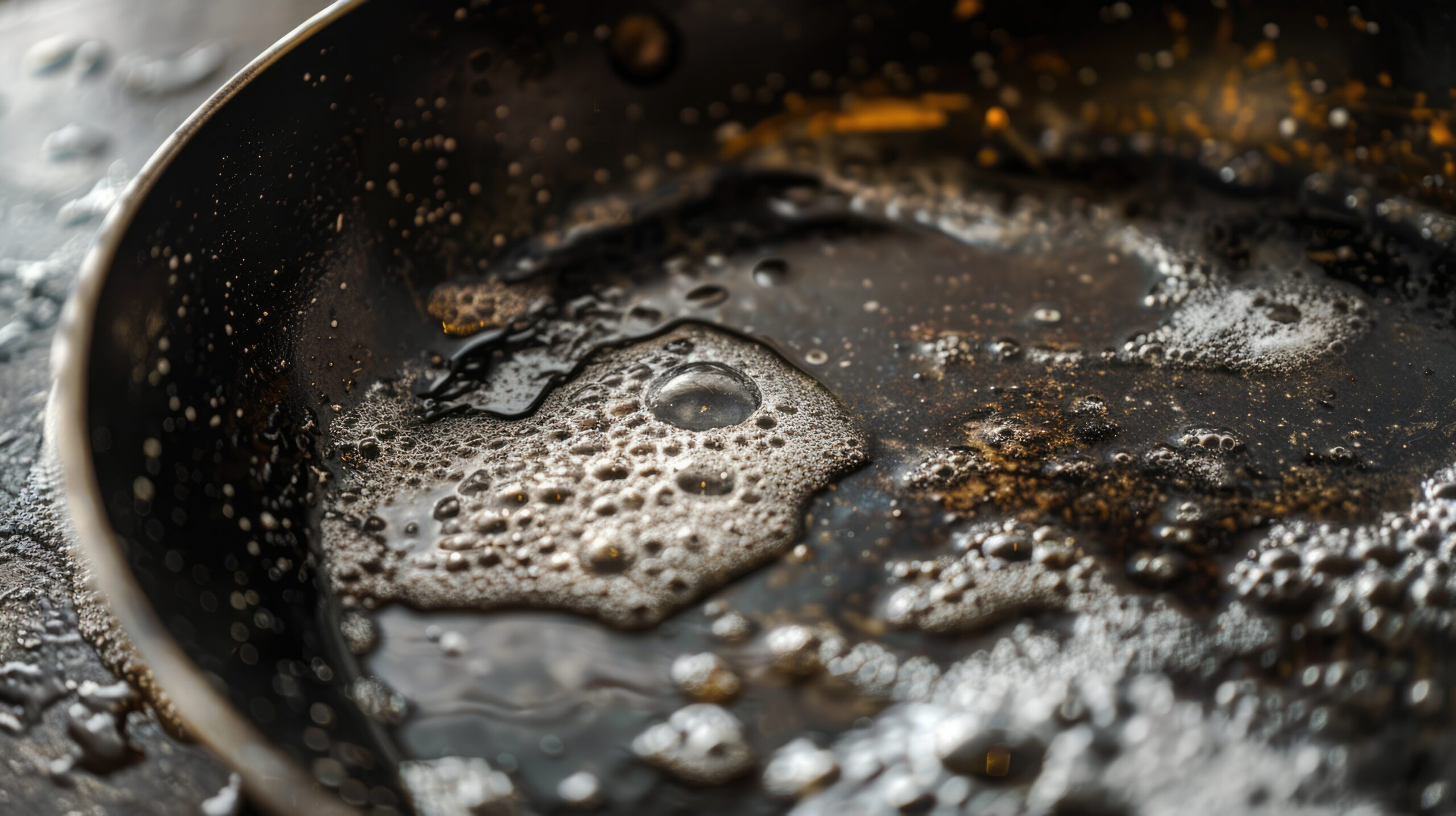
“People treat soap like it’s the eighth deadly sin. But seasoning isn’t liquid oil anymore—it’s polymerized. You’re not washing that off.”
If something is stuck:
- Finish with a light coat of oil
- Try a chainmail scrubber
- Or boil water in the pan to loosen debris
- Then thoroughly towel-dry
- Heat-dry on the stove to evaporate hidden moisture
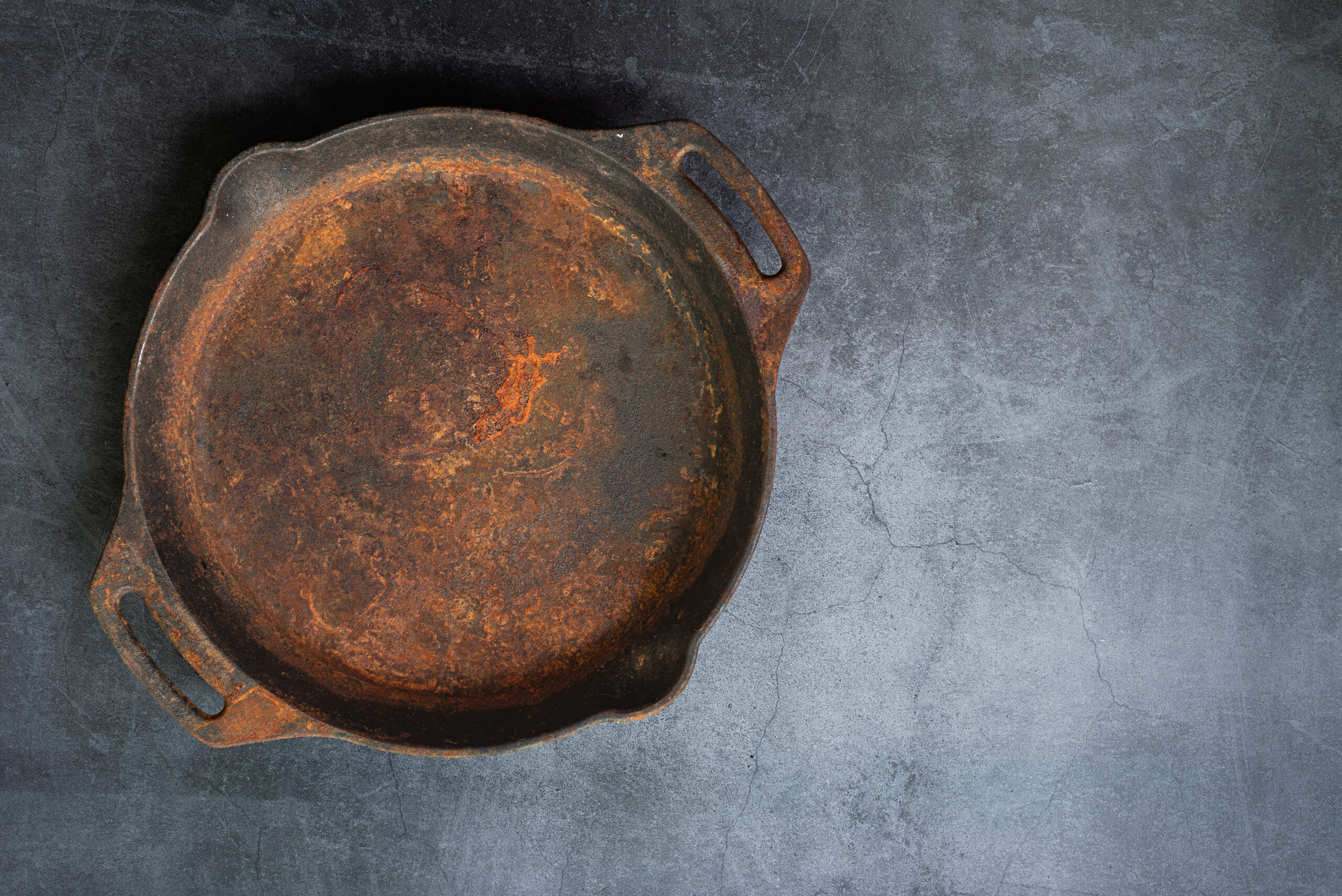
Rust Happens—Here’s How to Fix It
Rust isn’t the end of your pan. Chris separates it into two types:
1. Light, Overnight Rust
From not drying thoroughly.
Fix: Soap + sponge, dry, re-season once or twice.
2. Heavy Rust
From real neglect.
Fix: Soak in 50/50 vinegar and water for 40 minutes at a time, scrub, repeat seasoning.
What’s the Best Oil for Seasoning?
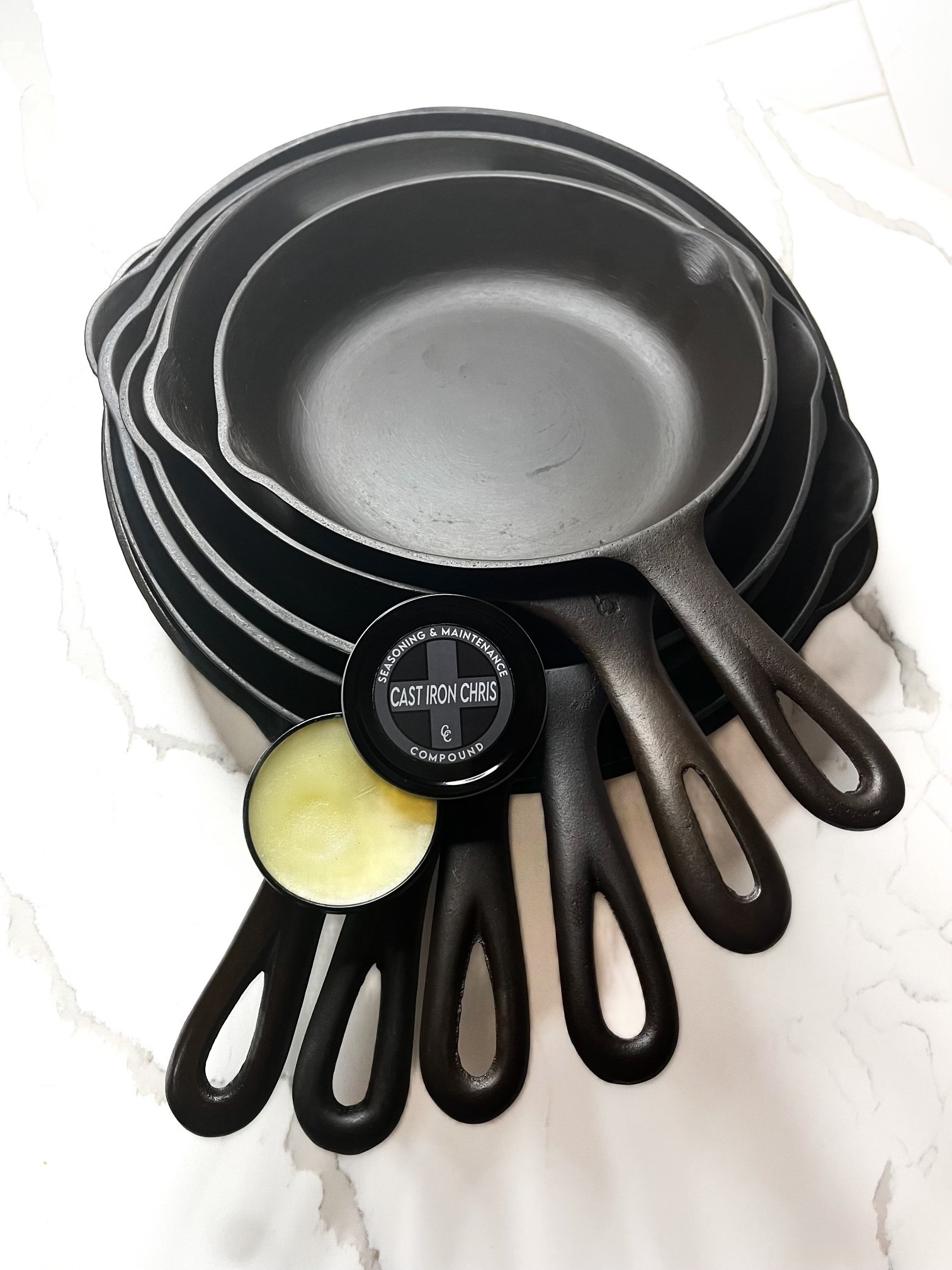
Chris uses one product exclusively: his own Seasoning & Maintenance Compound.
“It contains polyunsaturated fats for strong polymerization and beeswax to repel water.”
The short version? It creates a harder, more durable seasoning than most common kitchen oils.
How to Know When Your Pan Needs to Be Re-Seasoned
Look for gray or silver spots—those areas are bare cast iron. Brand-new pans can lose seasoning in the early cooks. That’s normal.
“The seasoning is almost like a living thing—you watch it grow. It starts uneven, then strengthens, and eventually your skillet becomes beautifully black.”
For most cooks, Chris recommends: Season every 6–12 months (or as needed—cast iron thrives on maintenance, not avoidance).
Why People Love Cast Iron: The Story in the Seasoning
Chris summed it up perfectly:
“Every meal, every family dinner, every Thanksgiving skillet mac and cheese—it all becomes part of the pan’s story.”
Cast iron isn’t just cookware. It’s a relationship. A tool with a past and a future.
And with the right temperatures, the right maintenance, and the right techniques, it’ll outlast us all.