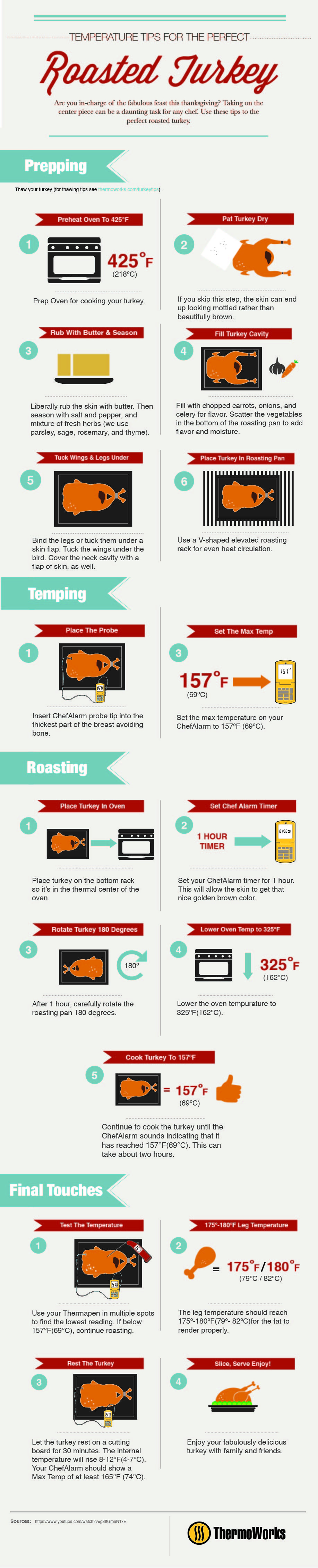
Turkey Temperature Tips Infographic
Click the image below to download a PDF of our Temperature Tips for the Perfect Roasted Turkey infographic!


Martin is the Culinary Editor at ThermoWorks. After receiving a degree in physics and a graduate degree in the history of science, he went back to school for a classical culinary education. Having worked in the culinary world as cheese monger, baker, assistant butcher, prep cook, sous chef, and, eventually, executive chef. He believes temperature makes all cooking better, and better cooking makes for a happier life.
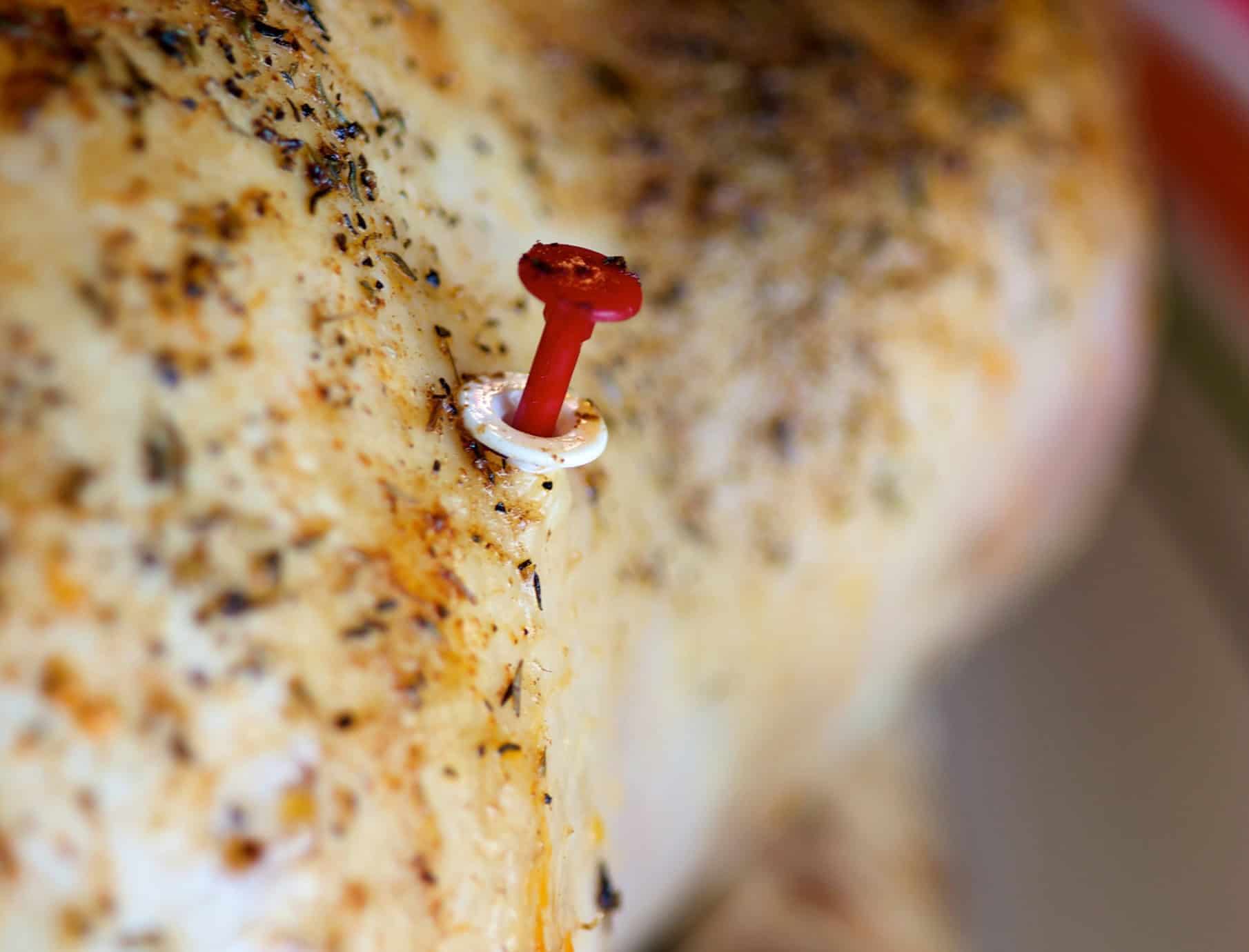
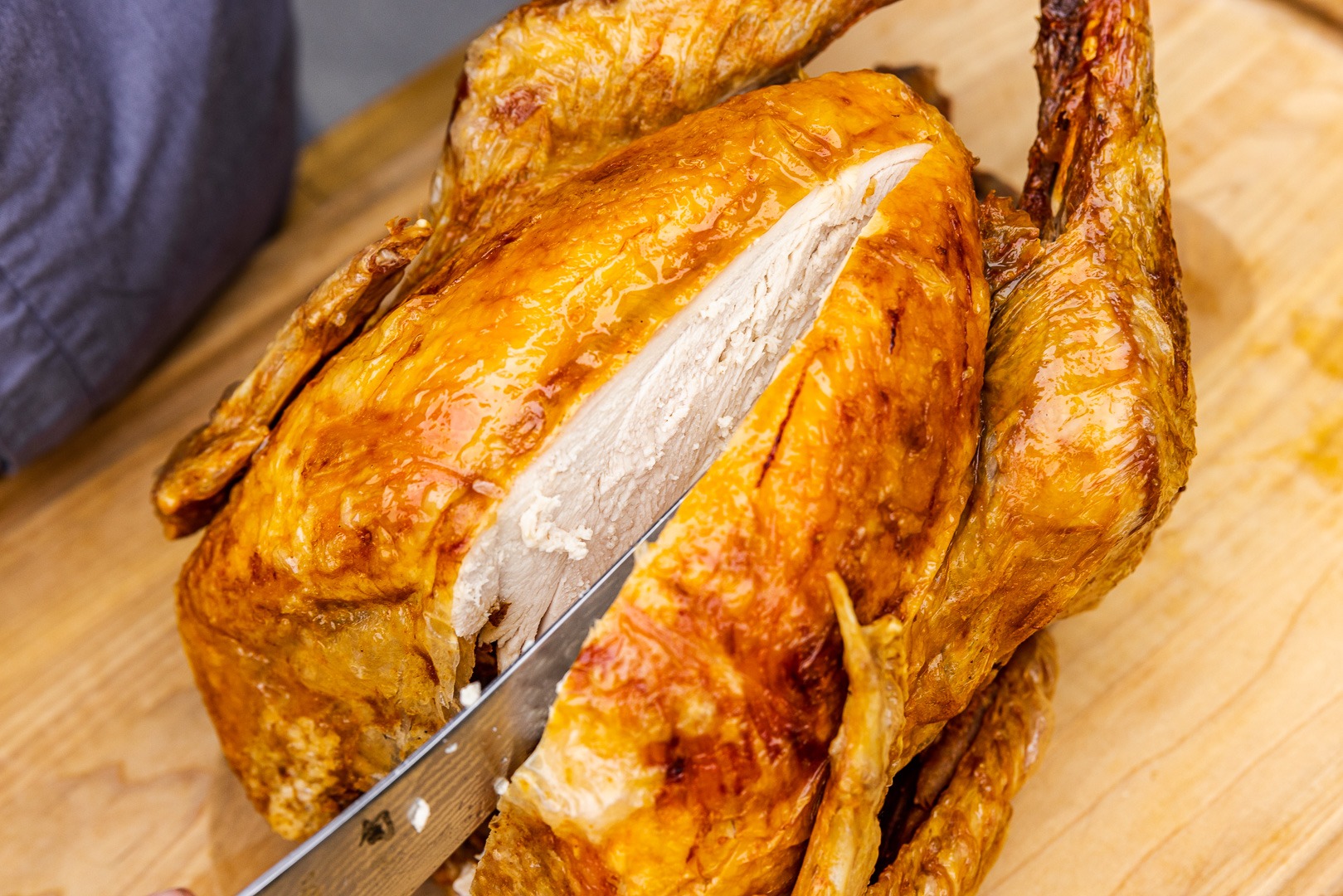
If we told you there was one culprit responsible for all the dried turkey you ever ate, would you want to find out what it was? And how would you feel, knowing that the culprit was operating under the guise of being a helpful friend? Well, folks, we have news for you. The culprit is…
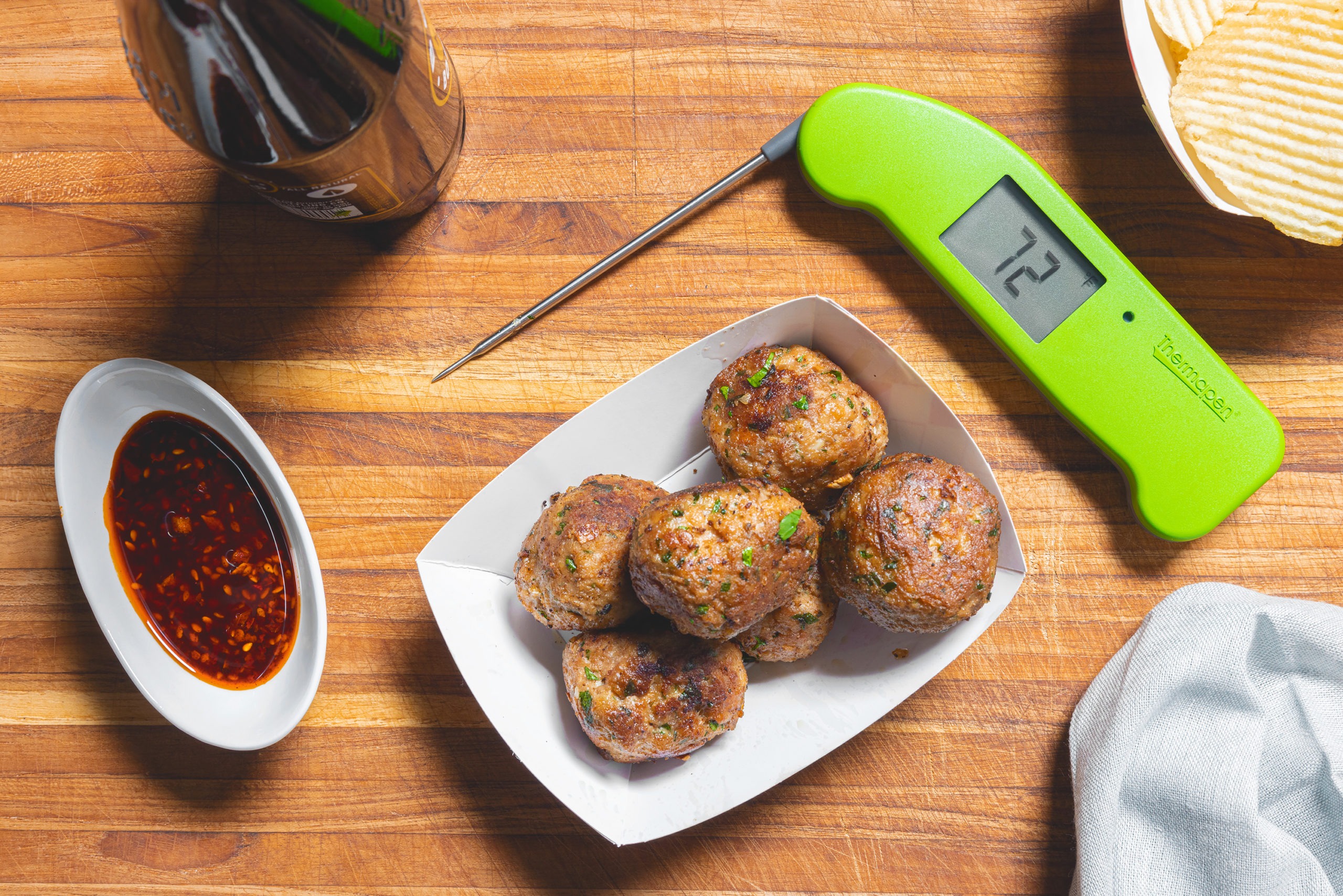
There’s nothing quite as easy to make that is so happily received at a game day get-together as a good meatball. In marinara, in BBQ sauce, wrapped in bacon, in a sandwich … meatballs and game-watching parties go hand in hand. Here, we want to share the basics of making quality meatballs from lean ground…
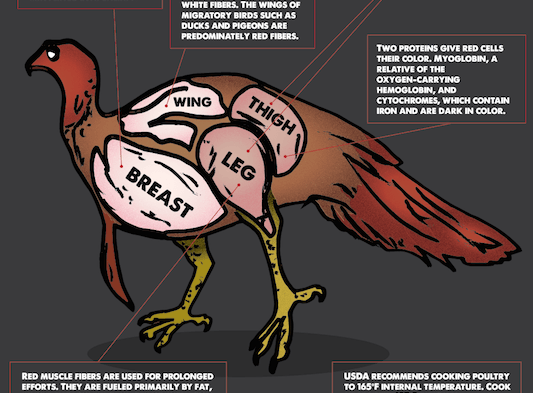
Have you ever stopped to considered why poultry has both white and dark meat, why the two taste different, and why they have to be cooked to different temperatures? Food Scientist Harold McGee says it has everything to do with the different kinds of muscle fibers and the particular kind of work that each is designed for.
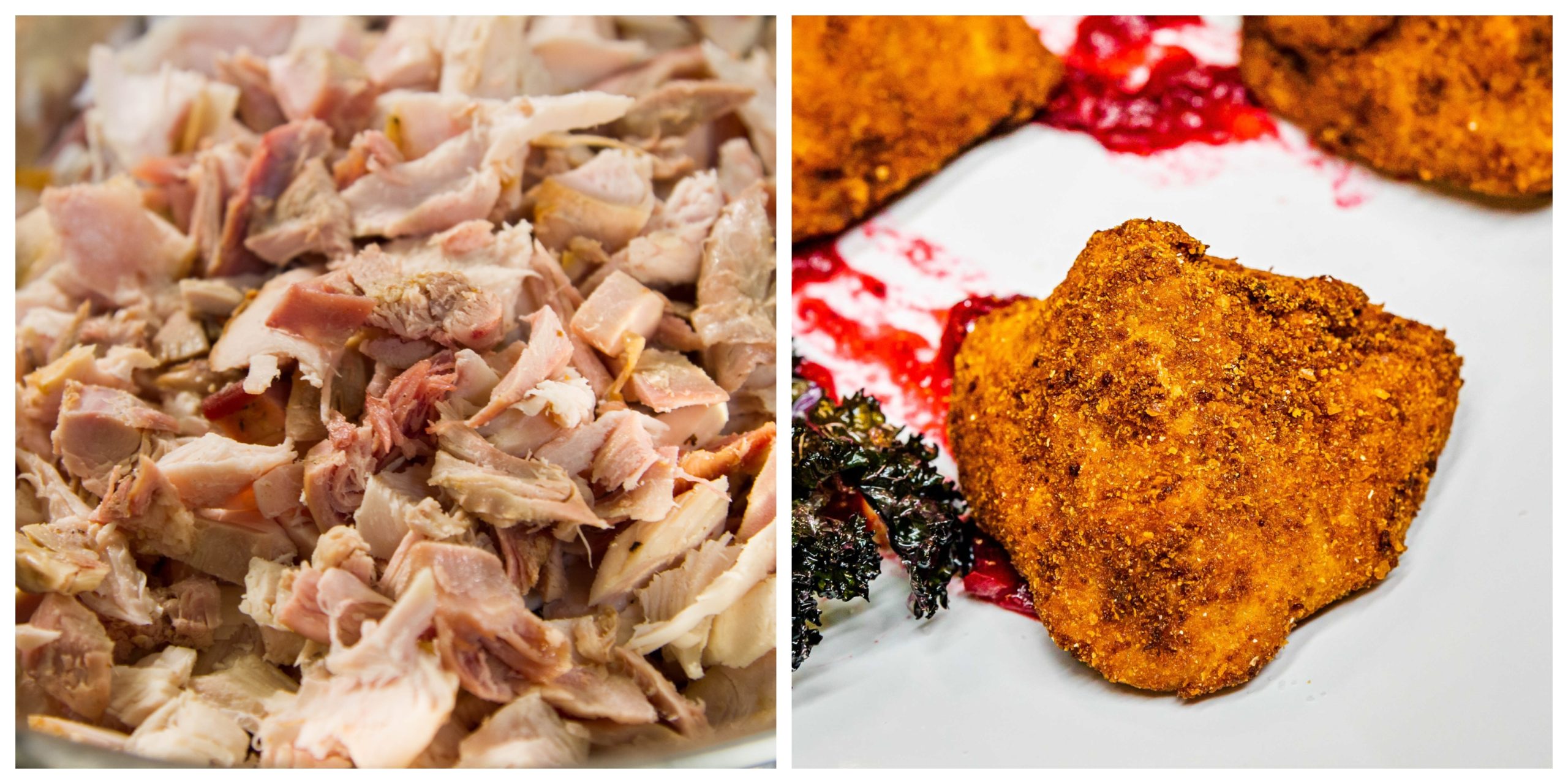
You did it. You made the perfect turkey. You paid attention to the temps as you cooked, and it came out juicy and delicious. It’s not because you overcooked it that there is leftover turkey meat—that’s just par for the course. Same with the gravy, the potatoes, and the stuffing. Heck, there’s even some cranberry…
For the ambitious cook, the Holiday space between Thanksgiving and New Year’s Eve occupies a near-constant search for the best things to eat and to serve. There’s the classic turkey, the rib roast, candies and treats, various parties with family and friends, and maybe something big to finish the year off. All that food makes…
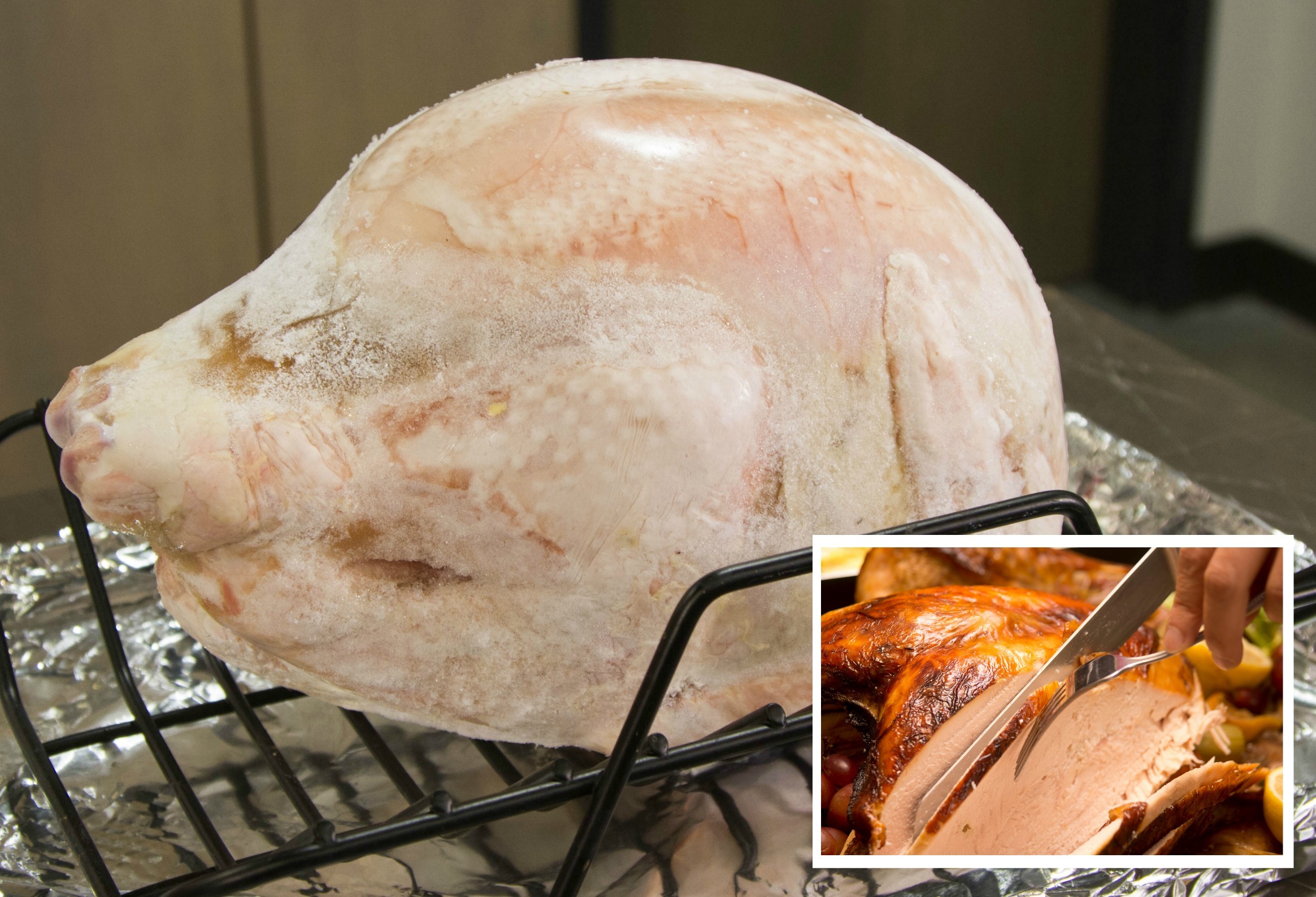
HELP! My turkey is frozen! Woke up to a rock-solid bird? You’re not alone. It’s easy to forget to thaw your bird. But that doesn’t mean Thanksgiving is ruined! Here’s how to cook a frozen turkey safely using time-and-temp science. We have the tips you need for a picture-perfect turkey direct from frozen, in a…
This site uses Akismet to reduce spam. Learn how your comment data is processed.
Thank you so much for the updates. I love my thermapen and the others that I have ordered from you. I have now given one to each of my children and they love them also.
Adele,
So glad to hear you and your children are enjoying your Thermapens! They really are an essential cooking tool.
Thanks!
-Kim
How do you cook the leg/thigh to 175/180, and the breast to only 157? Seems like one undercooks the dark meat, or overcooks the white meat.
Allan,
The breast meat needs to come to 165ºF, while the leg meat needs a higher temperature (175-180ºF) to render the fat and connective tissue and become tender. A turkey seems to be built for such a result. The large mass of protein in the breast will take longer to come up to its temperature, and the leg meat will increase in temperature faster because it’s small, and has a higher ratio of exposed surface area. Keep your ChefAlarm in the thickest part of the breast meat, and when you get close to the pull temperature, test the leg meat with a Thermapen to be sure its temperature is just about ready too. Keep an eye on your temperatures and your turkey will be moist and delicious.
Thanks!
-Kim
I disagree with when to pull the turkey out of the oven. if the temp can rise at least 12 degrees while resting. Shouldn’t you pull it at least at 150.
165 seems a little too conservative?
Jeff,
Suggested in the infographic (and the standard we go by in our test kitchen) is to pull the turkey at 157F to allow for up to a 12 degree rise in temperature. The carryover cooking doesn’t always increase the temperature that much, and we do feel it’s safest to allow the turkey to roast in the oven until it reaches an internal temperature of 157F to be sure it will reach the necessary 165F for food safety. Thanks for your comment!
-Kim