Batch Cooking 101: Tips for Meal Prepping
Cooking dinner every day can be a real challenge for busy people and families. We know it can be a headache to try to balance activities, schedules, meetings, and the need for good nutrition. So we’ve compiled this post about the benefits of batch cooking and meal prepping for busy families. Let us help you get through your week properly fed and happy.
Are batch cooking and meal prepping the same thing?
A little defining won’t hurt us at the outset.. If you search up “meal prep” or something similar, you’ll likely find plenty of advice on cooking meals ahead of time, but those are often for one person, or just for one day—as in meal prepping your lunch for tomorrow’s after-workout meal.
Batch cooking, though, is a little different. It is a subset of meal prep, but usually on a larger scale and with thought to a longer time horizon—like making a two-gallon batch of chili for your family to eat this Thursday and next Thursday. Everyone does Thursday chili night, right? It’s meal prep, but a specific kind of meal prep. That being said, we will probably use the two terms interchangeably.
Benefits of meal prep and batch cooking
The main ingredient we run out of when schedules get busy is thyme. No, wait, I mean time! If we had all the time in the world, we’d cook our families fresh bread and long-braised dishes every day. But between carpools and bowling league, we certainly don’t. That’s where batch cooking and meal prepping come in handy. Some key reasons to do it include…
- Prepping in advance saves prep time when you need it—no chopping, dicing, or sauteeing.
- It also saves time in general—cooking two gallons of chili takes only a little longer than making one, so the bigger batch saves time.
- Batch cooking saves money—eating food you already have that you already paid for is much cheaper than ordering pizza (psst…homemade pizza is better).
- The same goes for your lunches—taking batched meals from home can easily save you $75+/week in burger-and-fry money.
- It’s healthier than store-bought premade meals or fast food.
Tips for meal prepping
Prepping meals safely—and deliciously
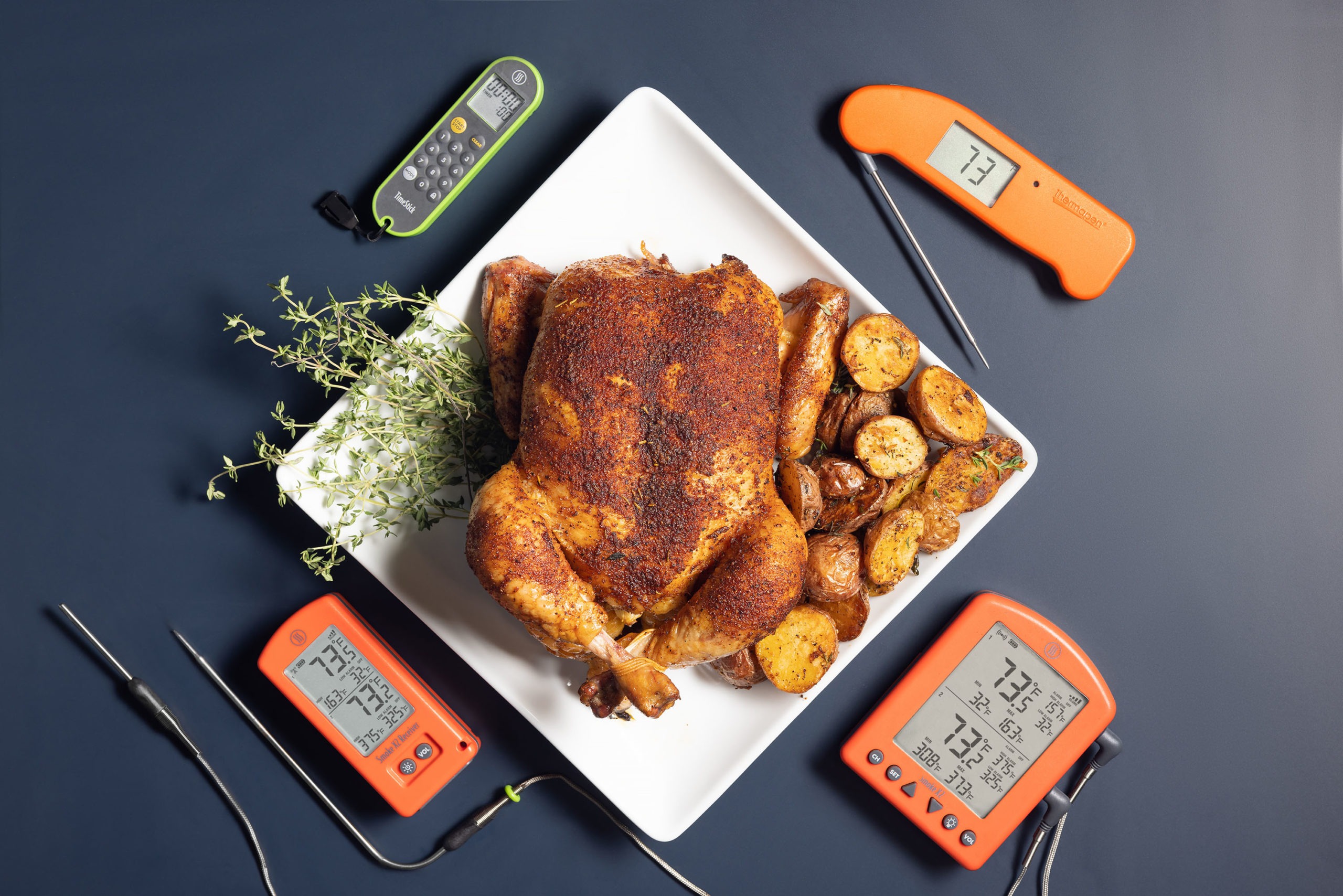
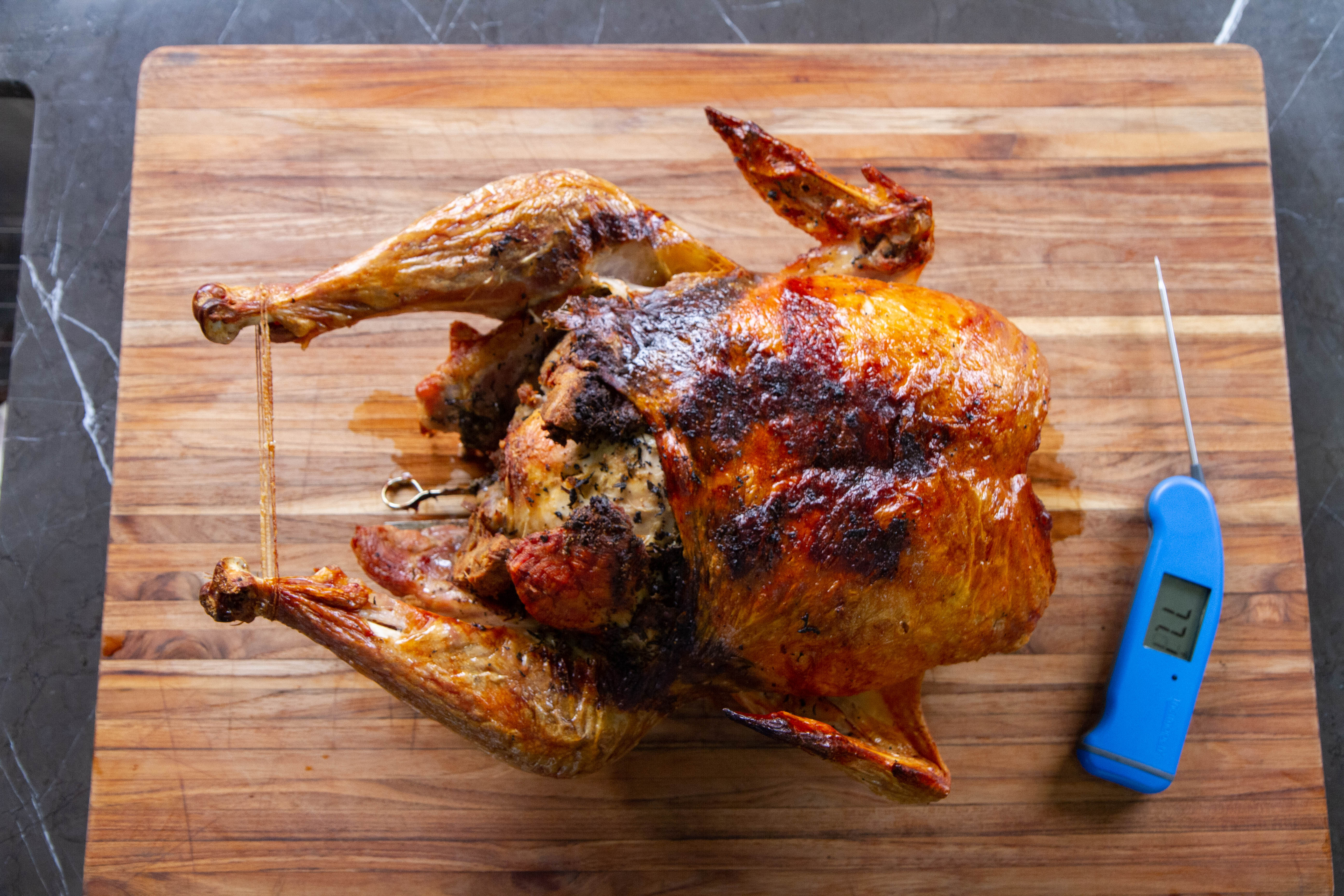
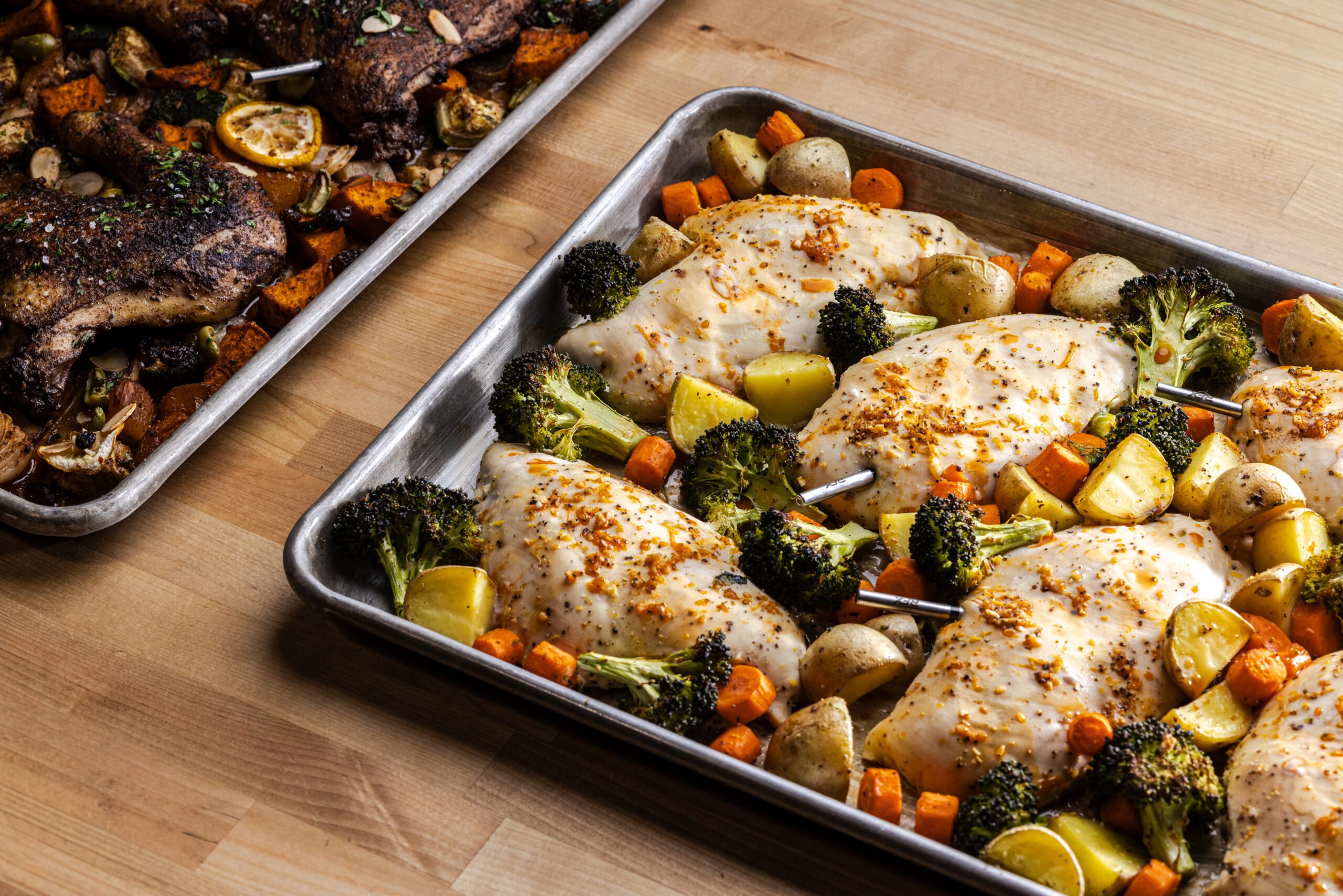
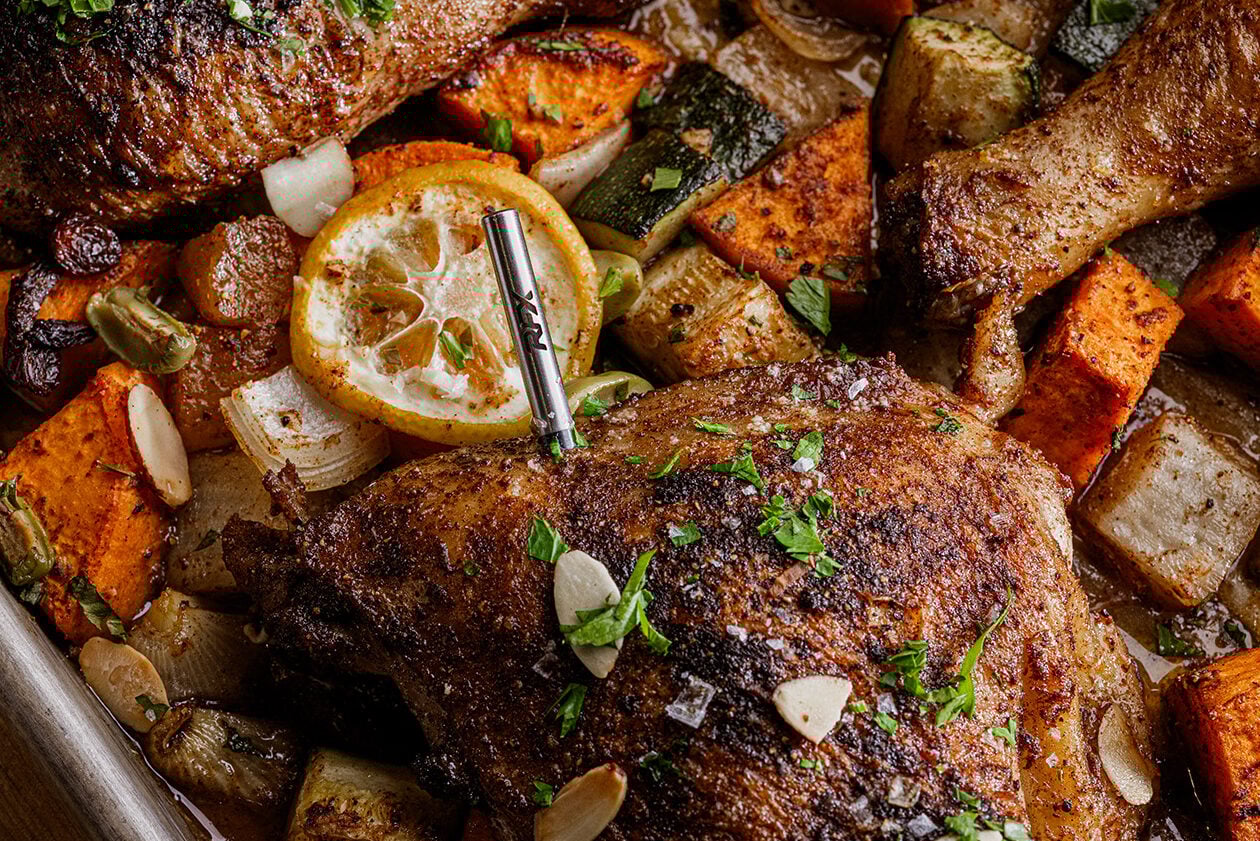
When we’re prepping meals, safety is paramount. The last thing we want to do is make a week’s worth of foodborne pathogen-contaminated food. If you’re prepping meats, be sure they are properly cooked by temping them appropriately. Use a leave-in probe thermometer like RFX™ or Smoke X® to track temps and make sure everything is cooked to a safe temperature, but also not overcooked. A safe batch of chicken breasts is not going to help you save on dining out if they’re so dry no one wants to eat them!
Use monitoring tools to cook your food to just the right temperature to maximize deliciousness and effectiveness as a time- and money-saving strategy.
Take a look at some of those tools on our Back to School page!

Cool properly
Important tip: be aware of foodborne illness when it comes to cooling as well as cooking.
If you put that 2-gallon pot of chili in the fridge to cool overnight, chances are it will linger in the Temperature Danger Zone (TDZ) between 40 and 140°F (4 and 60°C) for longer than the allowed 6 hours. When cooling, you need to get the food through the TDZ in six hours or less—two hours to get down to 70°F (21°C), and another four to get below 40°F (4°C). If it takes longer, the risk of foodborne illness increases dramatically.
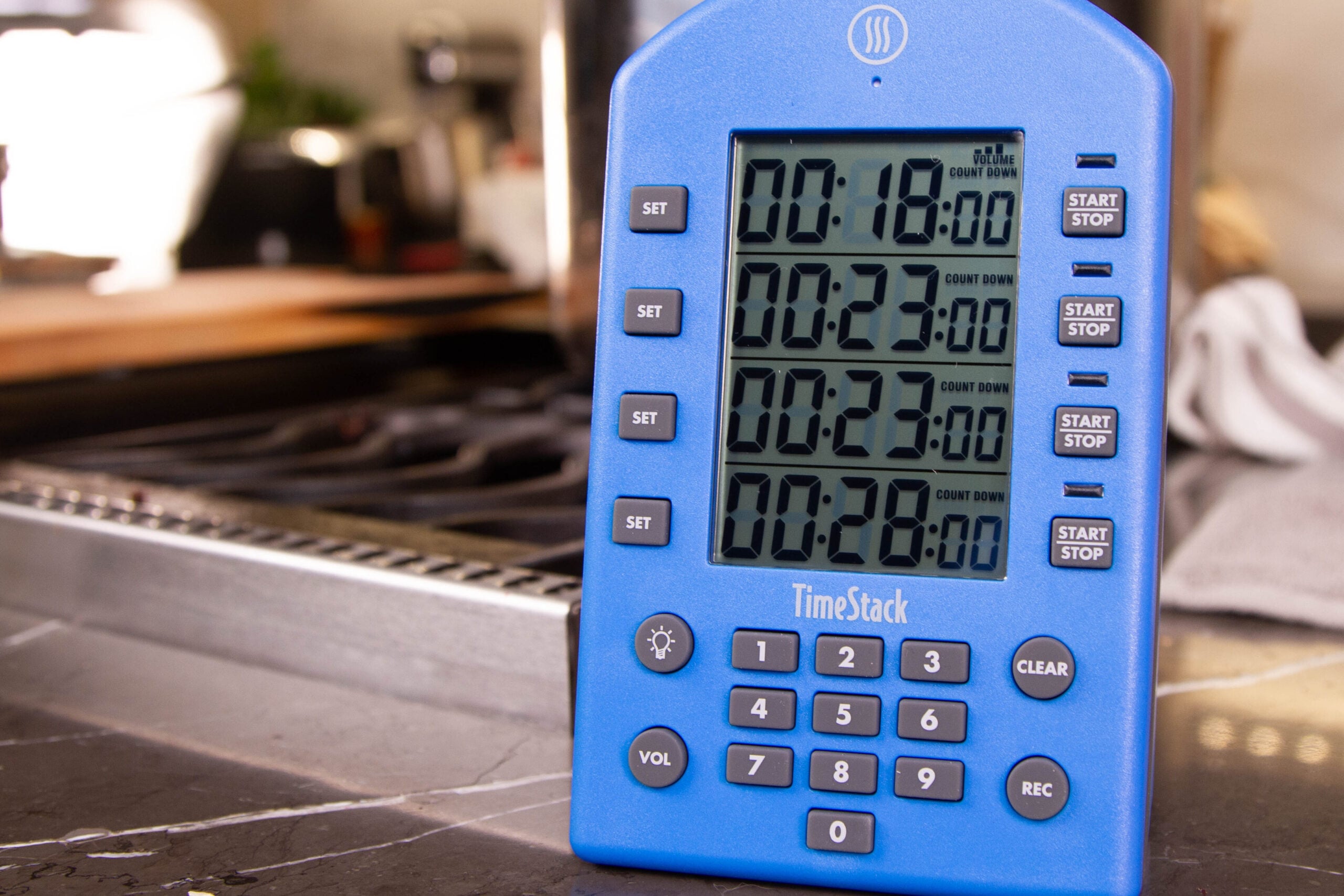
Make sure you cool your food quickly by dividing it into smaller pots for cooling, stirring well, or otherwise increasing the surface area. Use a timer like Timestack to track up to four cooldowns simultaneously.
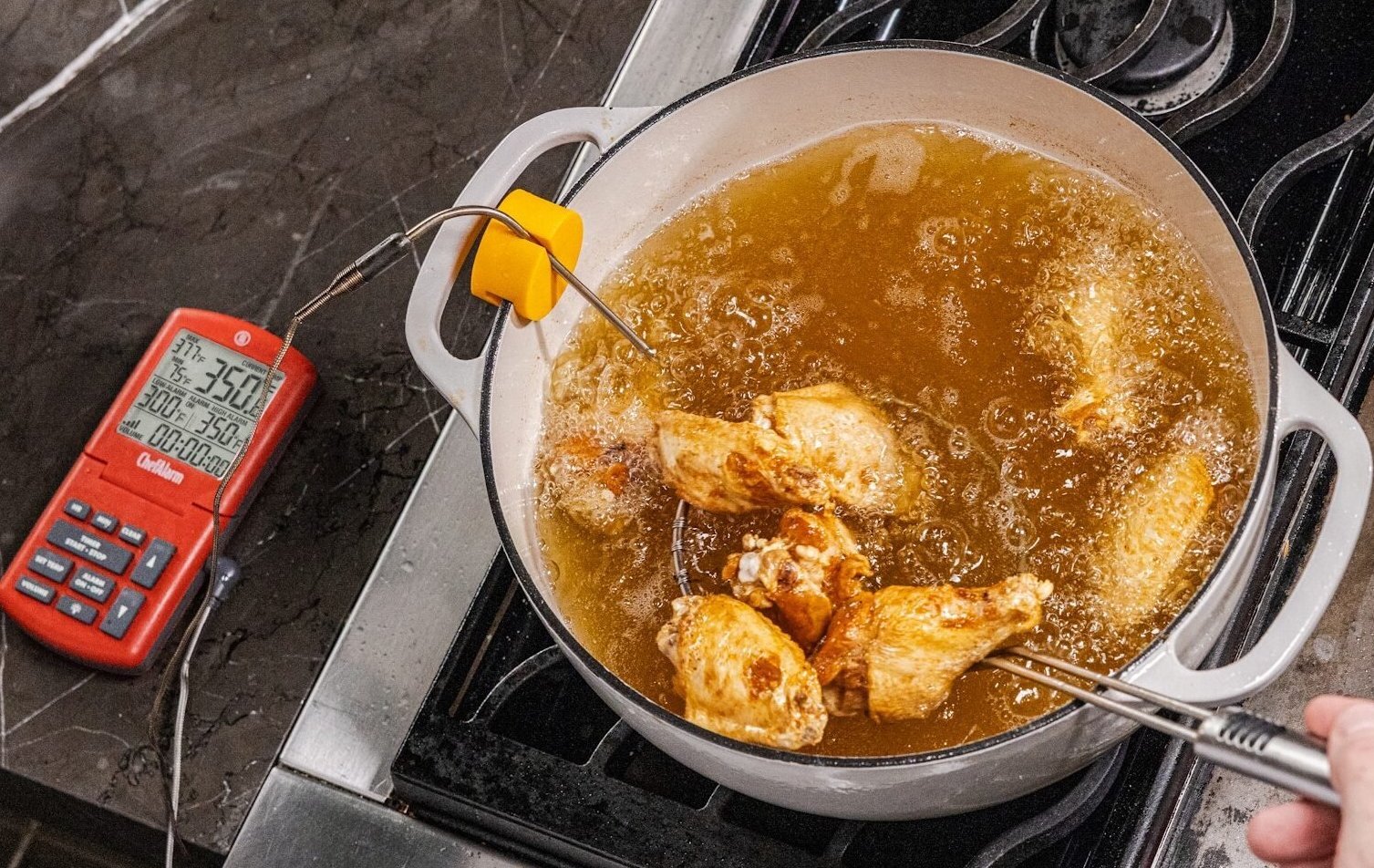
And don’t trust that putting things in the fridge will do the job for you (though it will help). Make sure it has cooled enough by checking it with Thermapen® ONE or even one of our leave-in-probe thermometers with a low-temp alarm, like ChefAlarm®, which will sound when your food cools to a set temperature.
Store your meals properly
Once you’ve gone through all the work of prepping your meals safely and without overcooking them, and you’ve chilled them quickly enough, you have to store them until it’s time to use them. If you’ll eat it within a couple of days, the fridge is fine. But if it’s any longer than that, you should freeze them.
Having a freezer full of meals means the freezer really needs to be working right. An outage (or a door left open by a child getting a popsicle) can ruin a month’s meals and put you out both time and money. We recommend using a fridge/freezer thermometer like NODE® or BEEP Mini™ to alert you if anything goes wrong in your freezer or your fridge.
Reheating meals
For the best results, don’t let Chef Mike, the microwave, cook dinner for you. Yes, Mike can take a frozen meal and get it to the table in about seven minutes, but he’s going to do it poorly, with big sacrifices to texture. Oh, and that’s seven minutes per portion—a family of four is still staring 30 minutes of cooking squarely in the face.
You’ll get better results in about the same amount of time in the oven at a medium-ish temperature. 300–325°F (149–163°C) is a great temp to reheat your meals. As with all baking work, you should make sure your oven is well-calibrated for best results. Break out your Square DOT® and test its accuracy, then adjust it as needed.
Of course, that only applies to meals you can’t just put in a pot and cook. That pot of chili just needs to heat through in a pot set over medium heat and stirred with some frequency.
No matter what, or how, you’re reheating, you don’t want it cold in the center, so give it a quick temp with your Thermapen ONE to make sure it’s actually hot before enjoying it.

Best kitchen tools for meal prep
For a day of meal prep, you will need tools, and lots of them. Obviously, we can’t tell you everything you’ll need, because we don’t know exactly what you’ll be cooking or for how many people. But to start, you can bank on these.
- Cutting boards—have a few to minimize risk of cross-contamination
- Knives—more than one will speed the process if you have kitchen help, and can also help reduce cross-contamination
- Sheet pans—whether for holding prepped ingredients or actually cooking
- Pots and pans—obviously?
- Thermometers—an instant-read thermometer like Thermapen ONE and a leave-in probe thermometer like Smoke X or RFX will help you make tasty food that is also safe
- Timers—keep track of several dishes at once with Timestack or a handful of other timers
- Storage containers—go to a restaurant supply store and get the stuff the professionals use
Conclusion
Meal prepping and batch cooking are fantastic ways for families or busy individuals to get ahead. Whether it’s muffins for breakfasts, boiled eggs for lunches, or shredded pork for dinners, be sure to get the temperature tools you need to make them safely and with maximum deliciousness. Happy (batch) cooking!