Alton Brown’s GEAR For Your Kitchen by Alton Brown
The thermometer I use most is the Thermapen by ThermoWorks, and, no, I’m not paid to say that…



The thermometer I use most is the Thermapen by ThermoWorks, and, no, I’m not paid to say that…
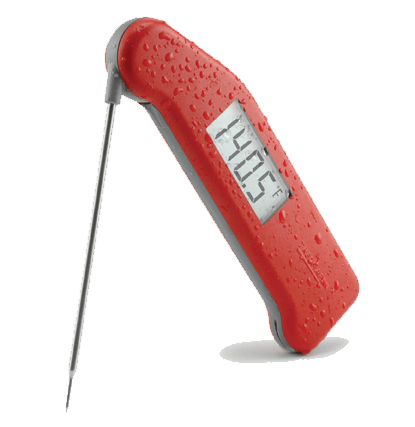
Before a tool will give you a healthy return on investment, it has to be put to work in the right way. That means you have to know how to use it!

They’re very fast (instantaneous), provide a good indication of temperature and allow you to collect temperature data at a distance. The problem is, you’ve got to look past the novelty – and learn how to use them properly – before they’ll give you excellent temperature returns.
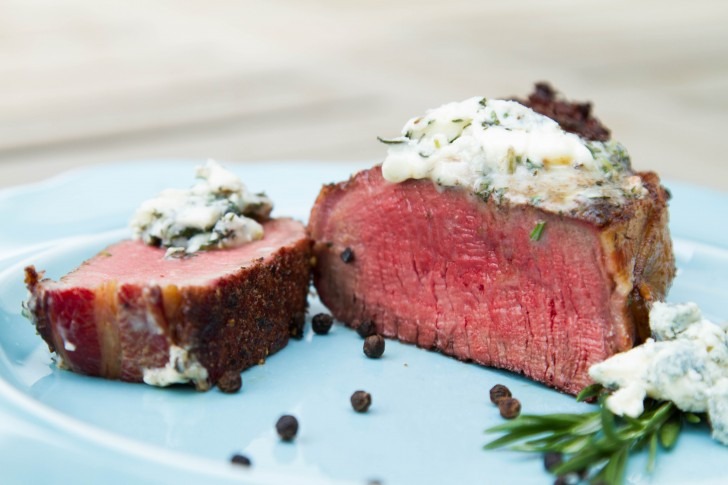
It doesn’t matter if you’re roasting at high heat, grilling over an open flame or going at it low and slow, every piece of meat (no matter the cut) experiences the same internal transformations – the only thing that varies is the speed with which those transformations occur, and that all depends on how you cook it.
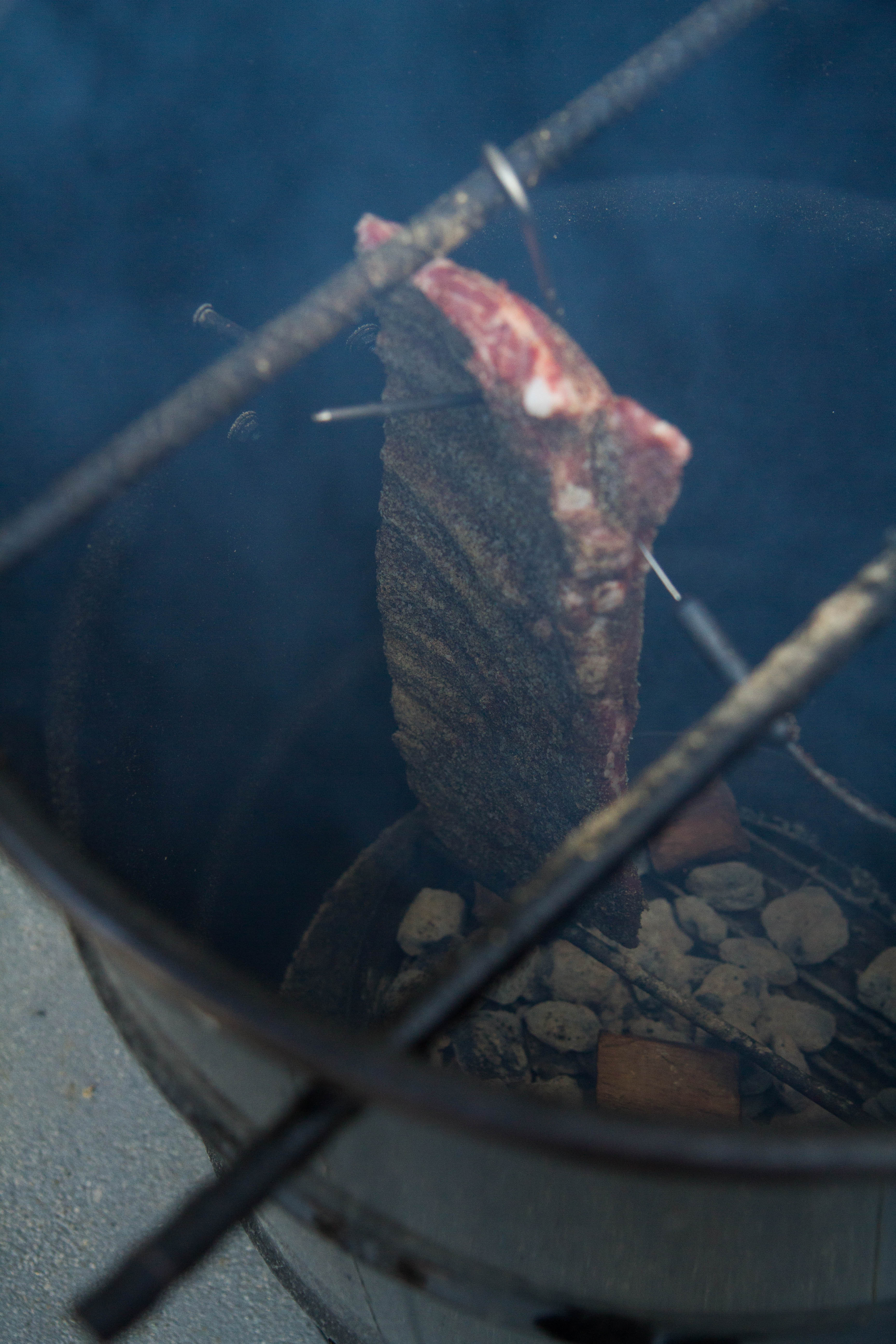
USDA temperatures are merely an indication that it’s safe to eat, while ready indicates that the connective tissue has been sufficiently rendered and the meat is not only palatable, but tender and flavorful.
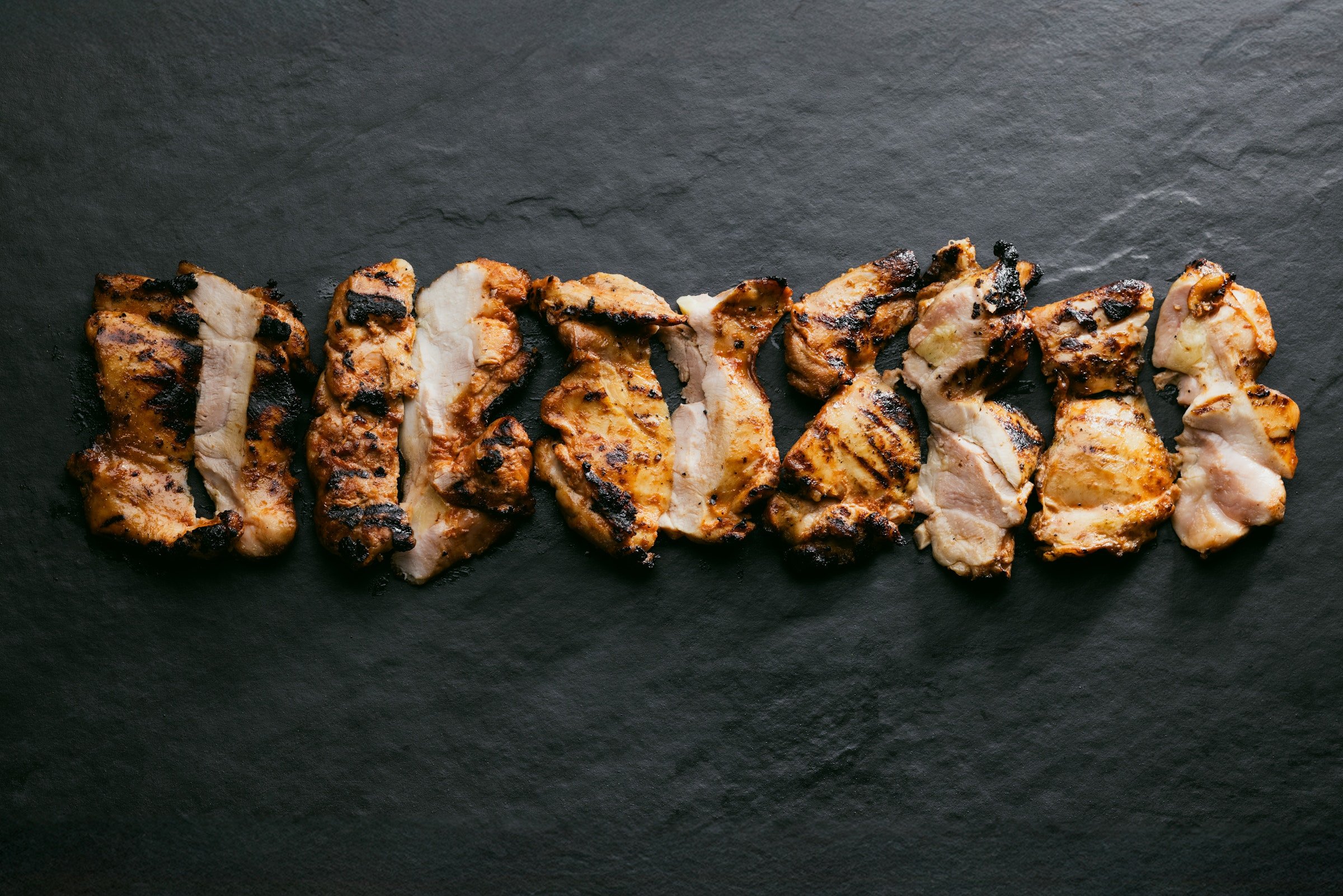
If you’ve ever been on the receiving end of a crispy chicken leg whose insides look like a bloody mess, there’s no need to throw out the entire batch. As long as the bird was brought to an internal temperature of 165°F (73°C) for at least 15 seconds, it’s safe to eat.